
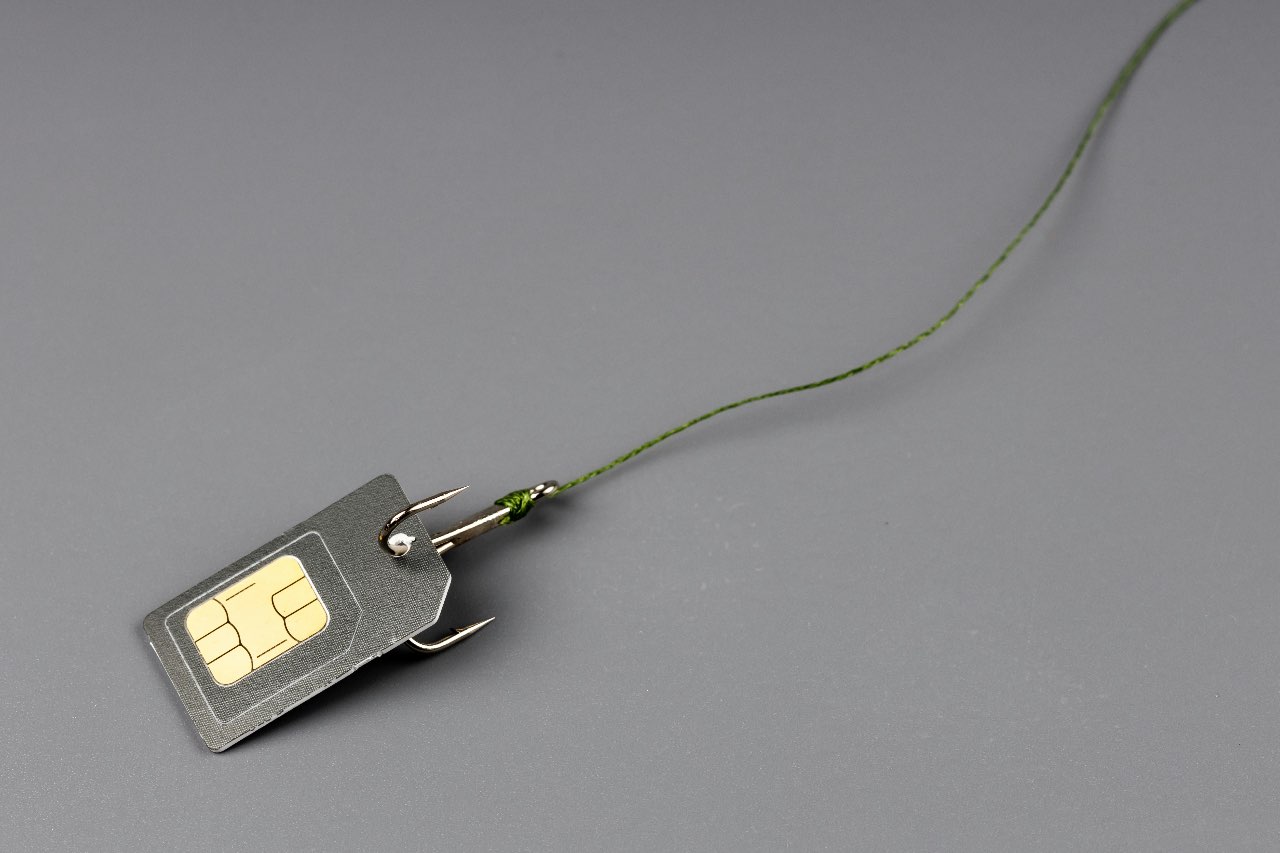
Modern Warfare
Mobile phones on the battlefield: SIM risks and OPSEC
Why mobile phones pose battlefield risks, with Strava, Makiivka and the Hariri case illustrating SIM anonymity limits and military institutions' responses.
Contemporary conflict, hybrid warfare, drones, air power, cyber and space, explained with sources.
Why mobile phones pose battlefield risks, with Strava, Makiivka and the Hariri case illustrating SIM anonymity limits and military institutions' responses.
What defence think tanks draw from the war in Ukraine about drones, electronic warfare, artillery, industry and defence, and which lessons remain disputed.

Who are the Houthis, and how did a movement from northern Yemen disrupt Red Sea shipping? A timeline, cheap drones, Iranian support and the debate over power.
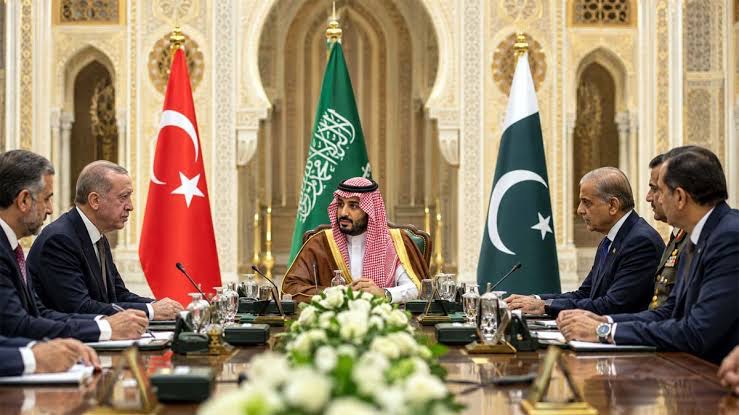
What is known about Pakistan, Turkey and Saudi Arabia's military ties, the 2025 defence pact, Turkish defence industry and the limits of alliance claims.
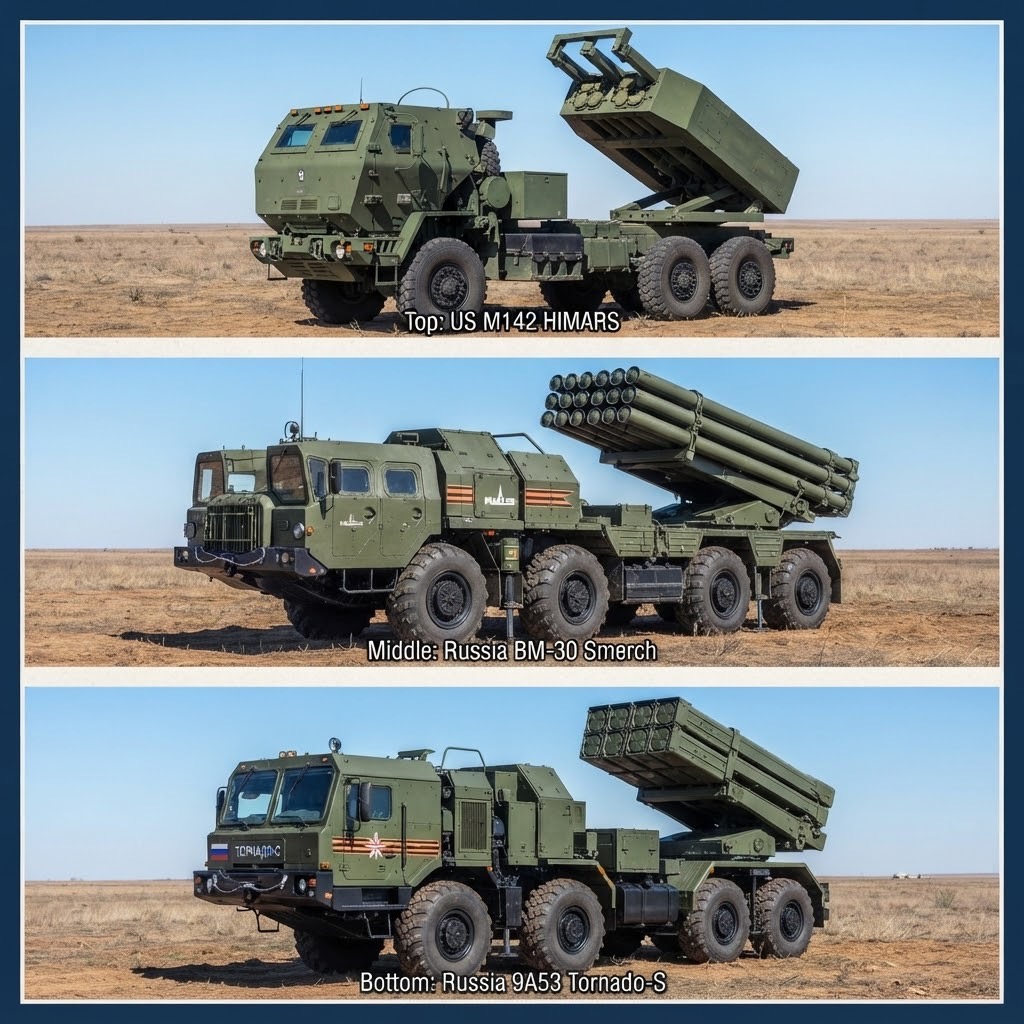
HIMARS vs Smerch and Tornado-S compared: range, accuracy, reload and doctrine of the US and Russian rocket launchers, and what the war in Ukraine has shown.
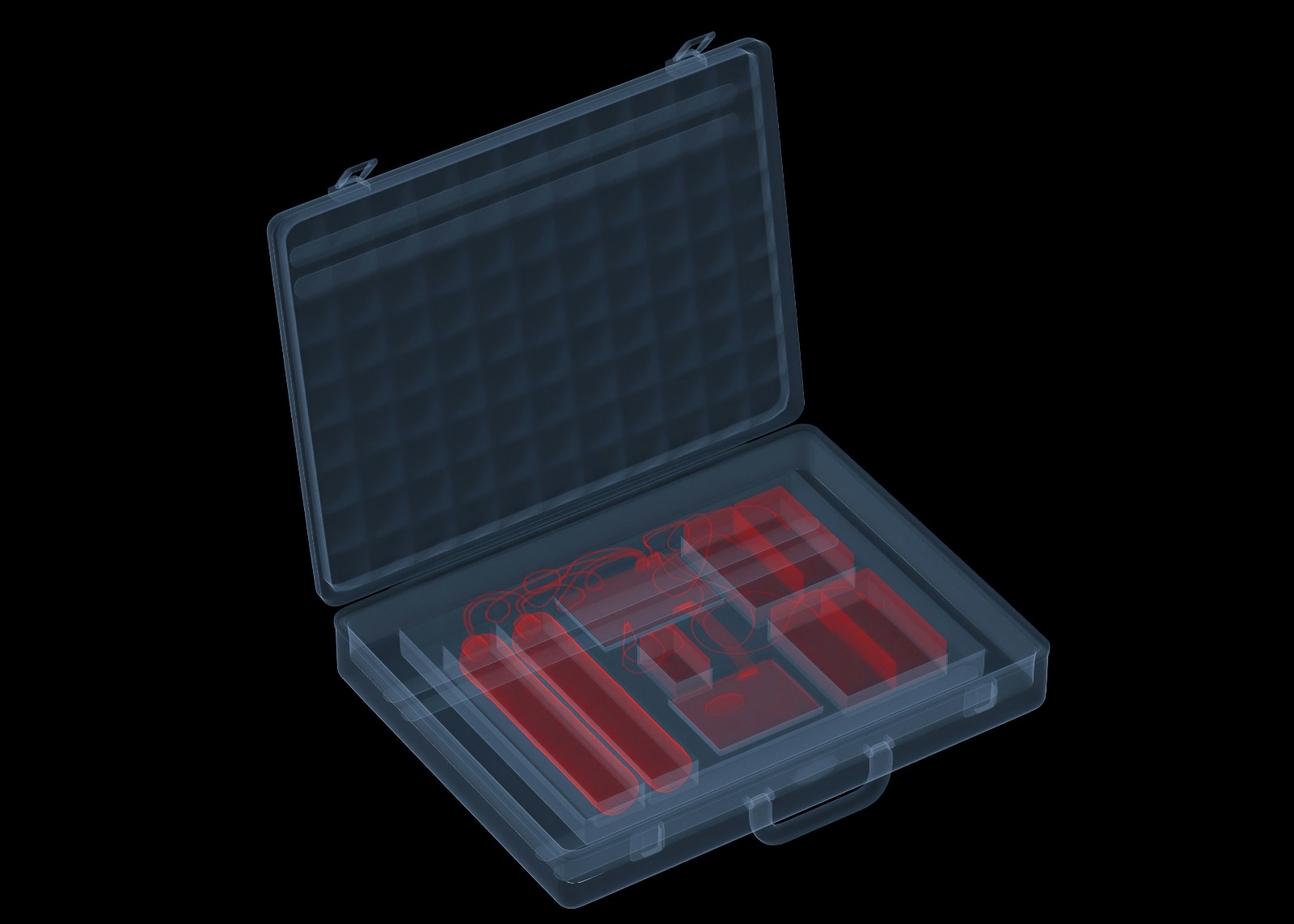
How states frame responses to hybrid warfare, with debates over social resilience, infrastructure protection, disinformation and deterrence below open conflict.
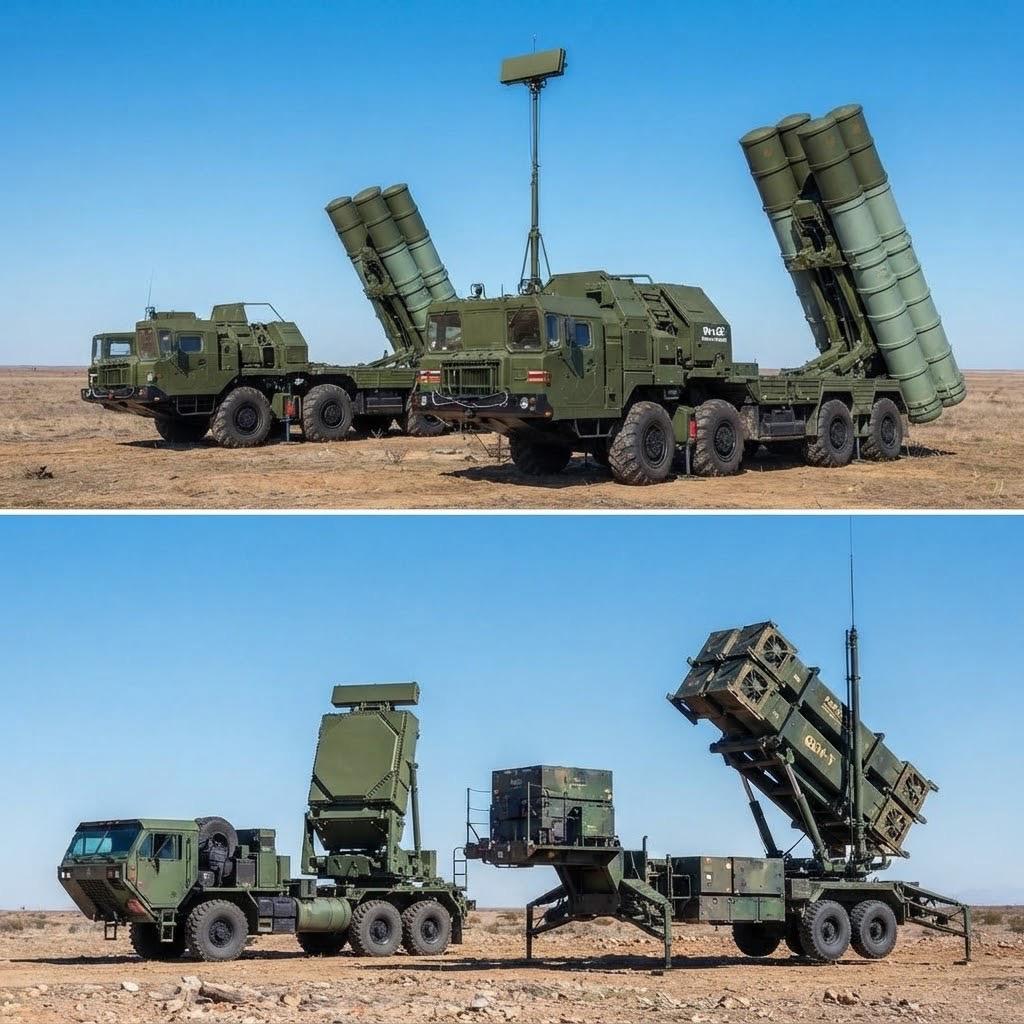
Patriot and S-400 air defence systems compared using public sources, covering range, radars, missiles, doctrine and limits in assessing their combat records.

How the drone campaign in Pakistan began in 2004, what role automated metadata analysis really played, and why the civilian casualty figures are still disputed.
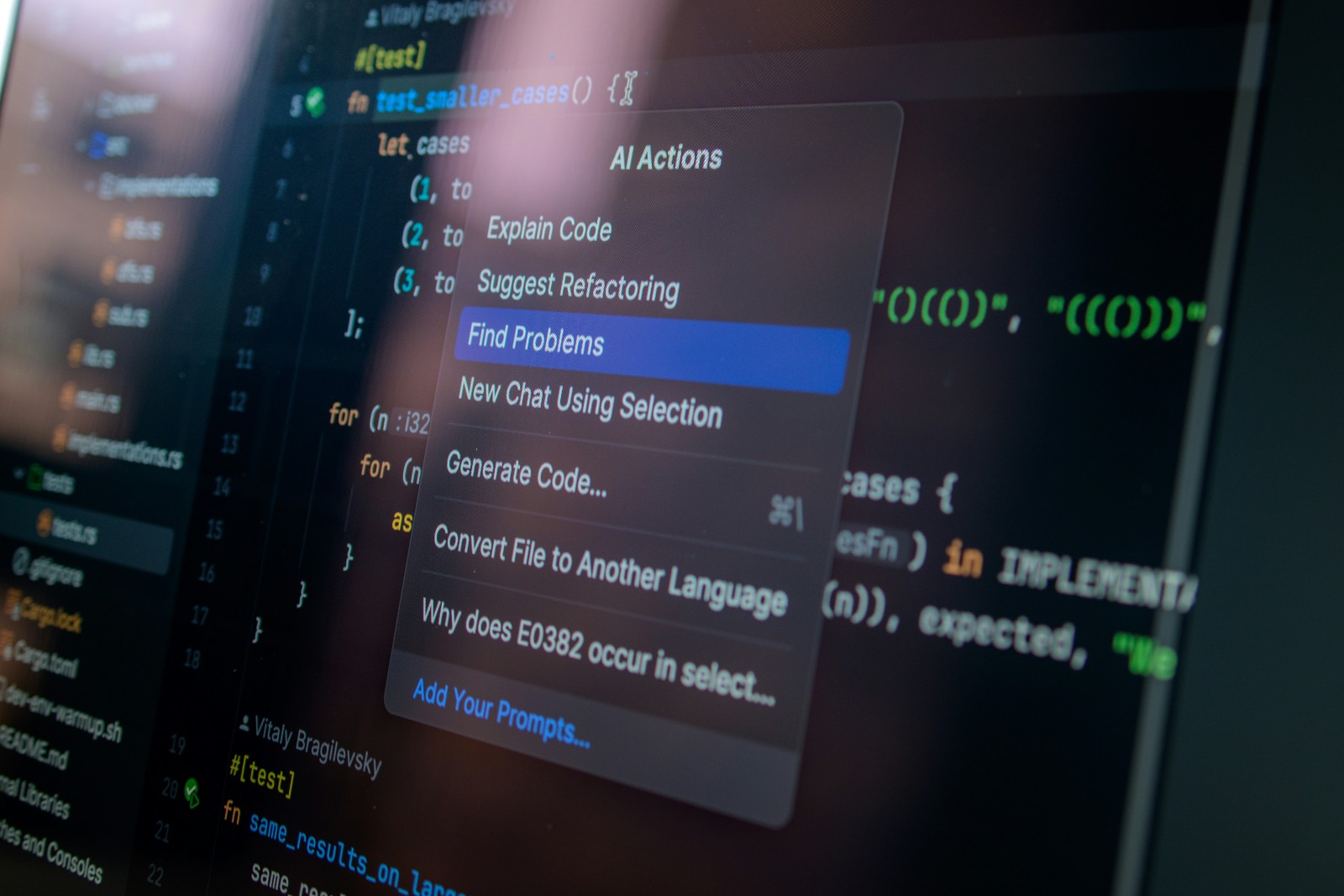
How military AI is used in precision guidance and target selection, what rules require, and why human control remains central to ethical debate in warfare.

Satellites have made the battlefield more transparent, but they do not see everything all the time. Resolution, clouds, orbits and analysis impose limits.

How Max Weber's monopoly on legitimate violence relates to the laws of war, and why the International Criminal Court relies on cooperation from states.

How Starlink shapes warfare, alongside GPS-free drone navigation using inertial systems, terrain matching, visual cues and offline artificial intelligence.

How civilian industry shifts to military production, what makes goods dual-use, and why wartime conversion is often slower than historical accounts suggest.
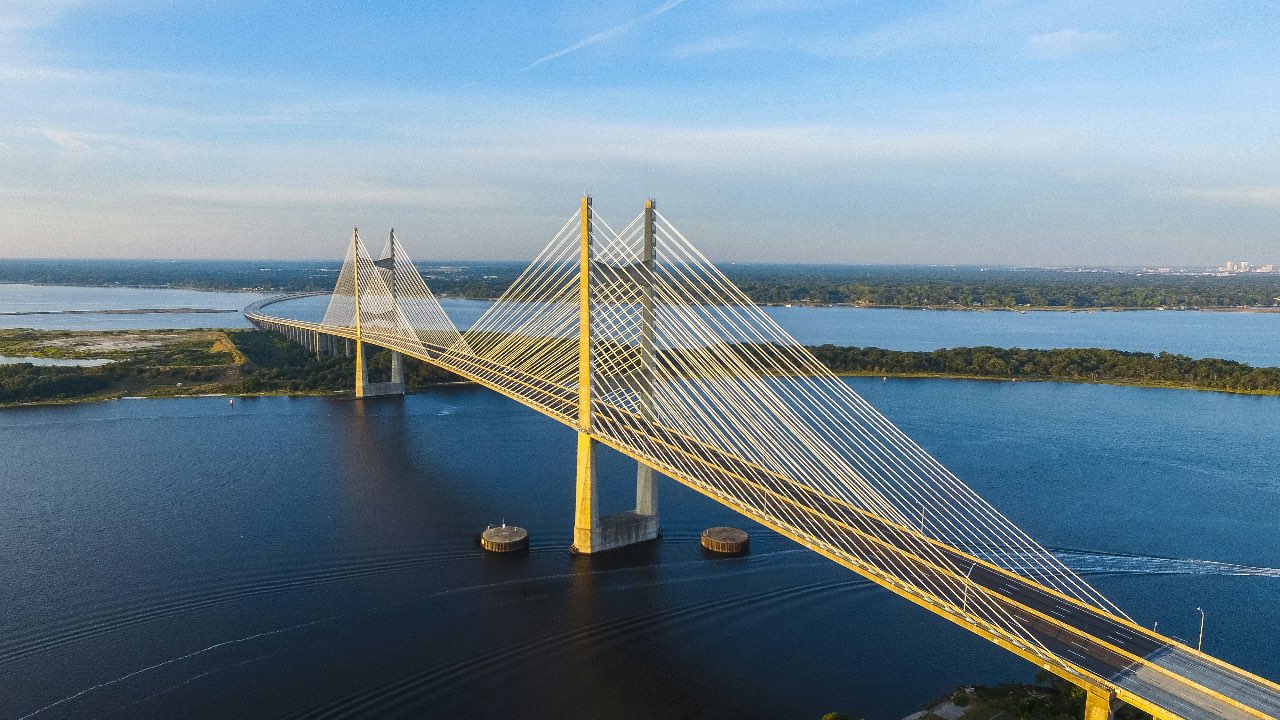
Energy, water, transport, health and communications form interdependent systems. This guide explains their risks and resilience without operational detail.

Why fibre-optic cable-guided drones emerged in Ukraine, how they dodge jamming and electromagnetic pulses, and the drawbacks of giving up on radio links.

From bomb-disposal robots to armed unmanned ground vehicles and casualty-evacuation robots: what exists, what Ukraine has shown, and where human control ends.
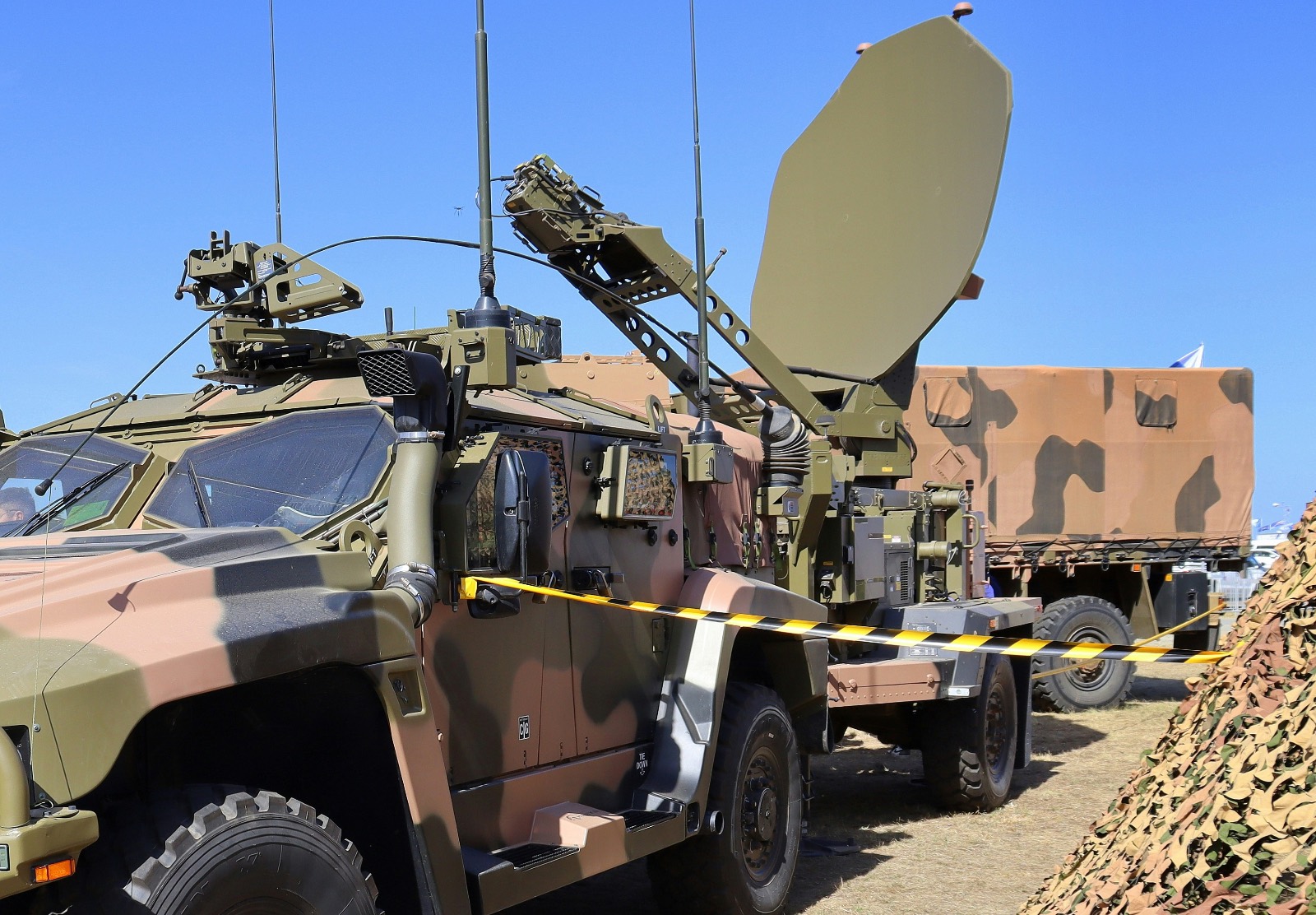
How networked warfare connects aircraft, ships and ground units, with the F-35's sensor fusion illustrating the possibilities and challenges of combat networks.

How Morocco maintains ties with citizens abroad, and how Turkey, China, India, Israel, Eritrea and Mexico draw on diasporas for international influence.

What hybrid warfare means, the origins of the term, debates about the so-called Gerasimov doctrine, and Russia's annexation of Crimea in 2014 as a case study.

How Ukraine's strikes on Russian refineries, railways and depots highlight the importance of logistics and the vulnerabilities of economic concentration.

Why do states spend on defence? Official rationales, vested interests, measured cost overruns and Nassim Taleb's risk ideas — used as a lens, not as proof.

What does the 'democratization of violence' mean in asymmetric warfare? Cheap drones, dual-use tech and non-state actors — and where the idea stops holding up.
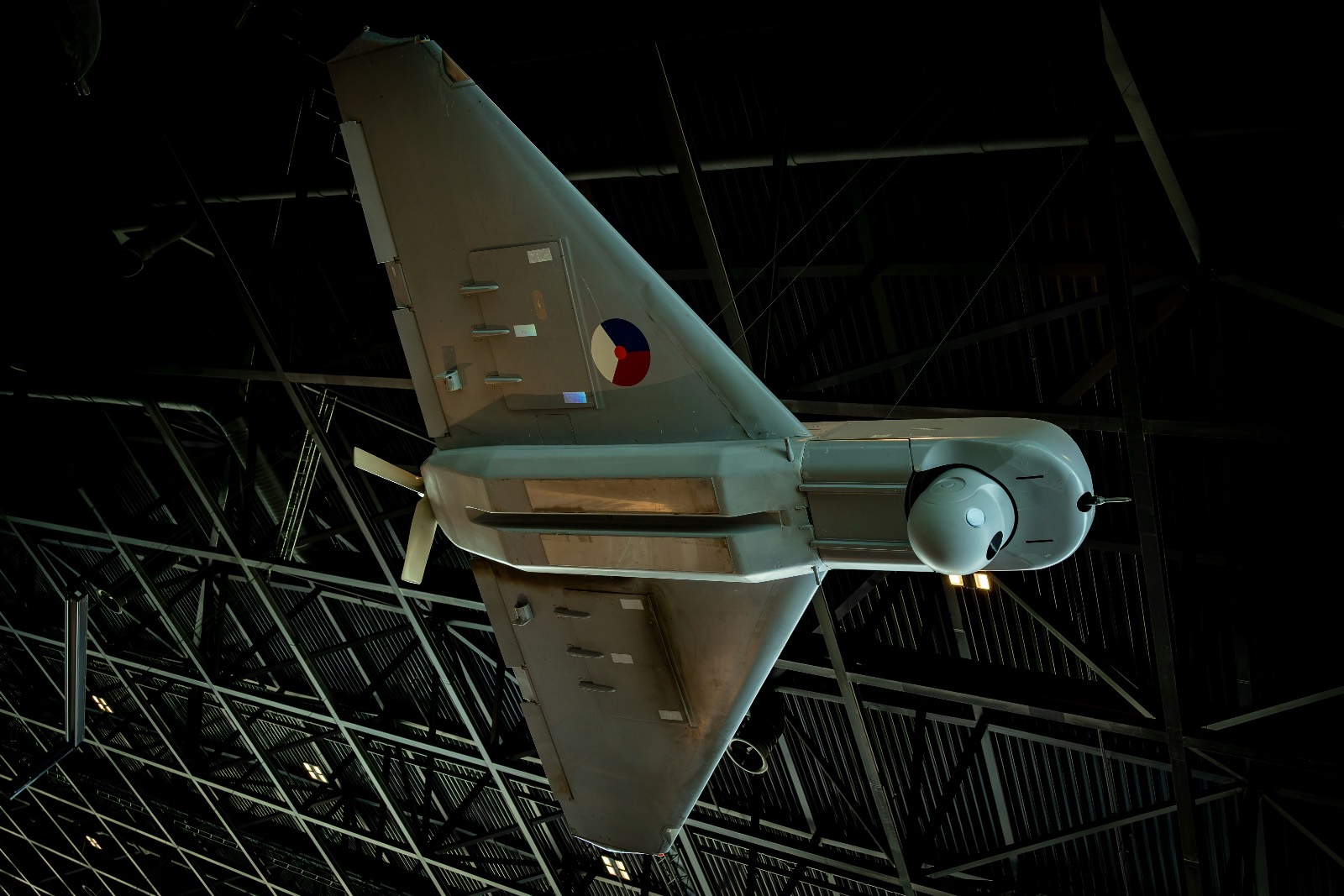
The history, types and roles of battlefield drones, from nano and FPV systems to the MQ-9 Reaper, with examples spanning Lebanon in 1982 and the war in Ukraine.
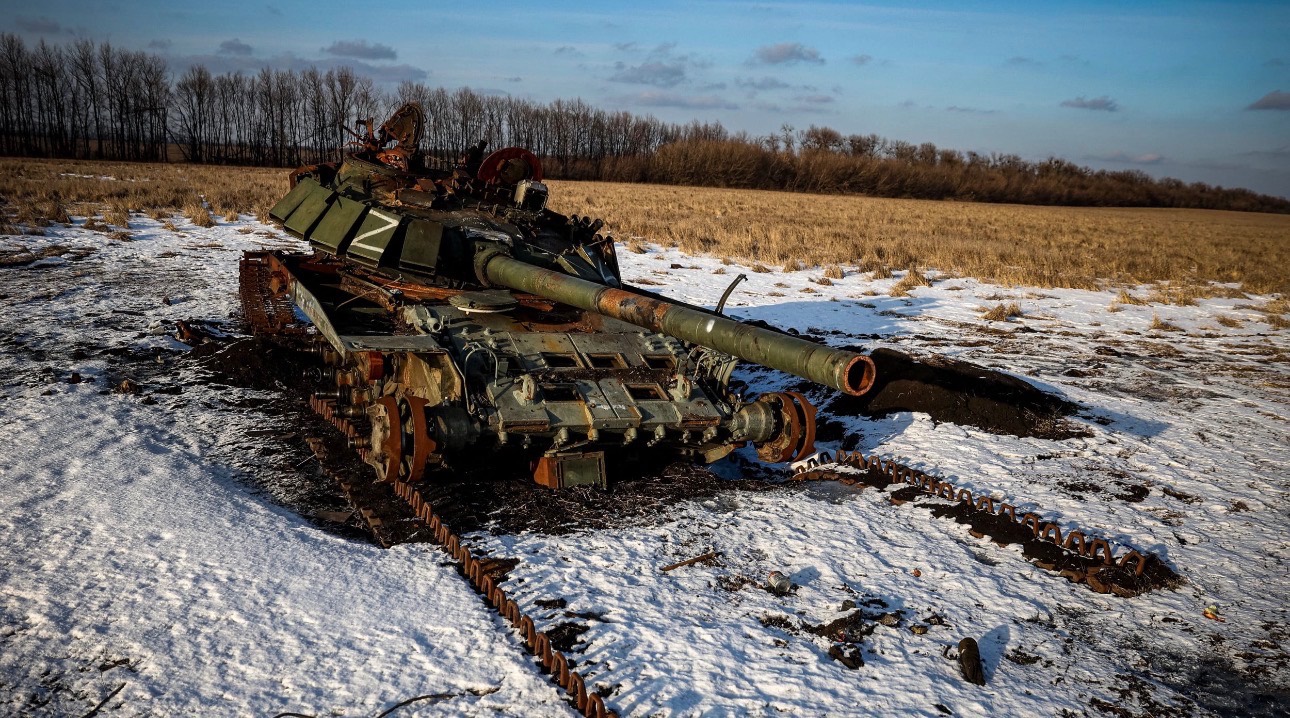
How the war in Ukraine has changed tank doctrine, exposed armoured vehicles' vulnerabilities to drones, and fuelled debate about the tank's ongoing relevance.
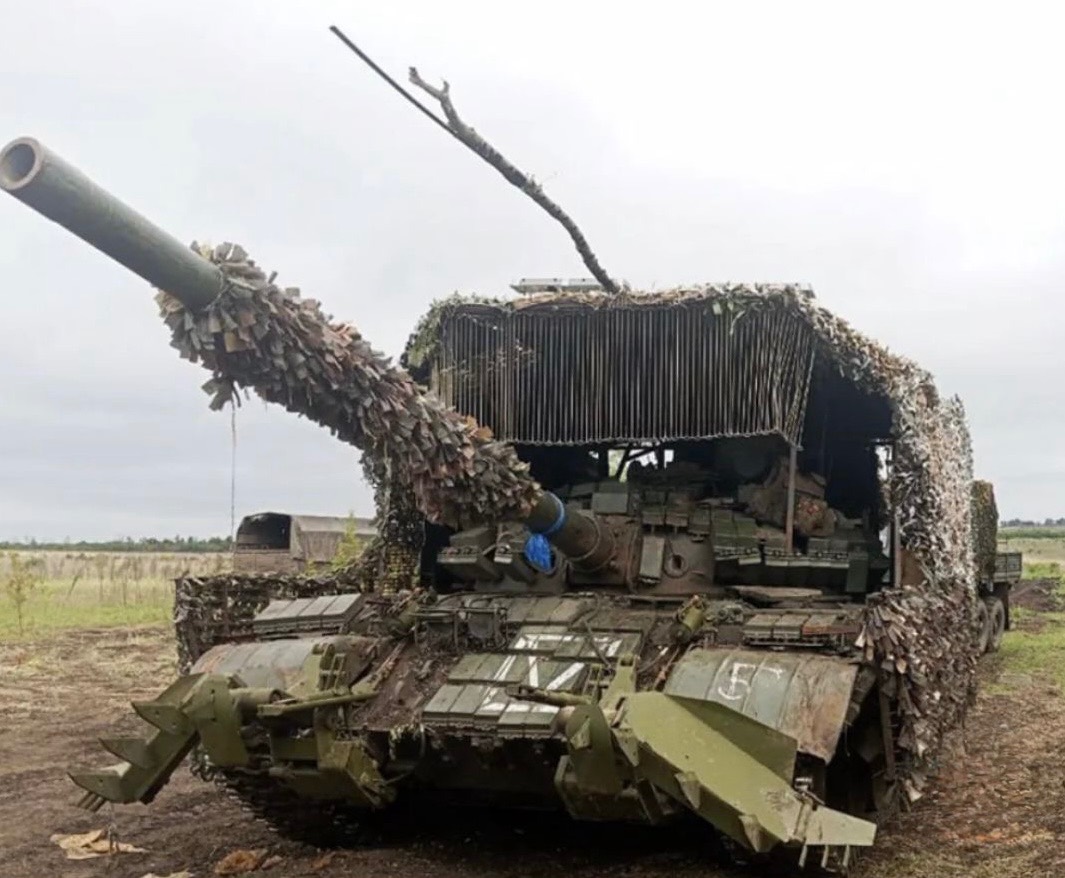
Why anti-drone cages and nets appeared on tanks in Ukraine, how they evolved from improvisation to industrial design, and how effective they really are.
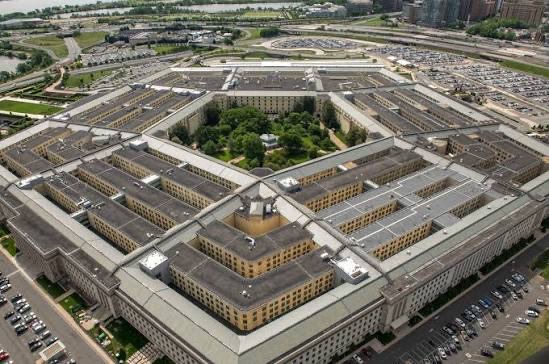
From Eisenhower's speech to DARPA: how military investment gave rise to the internet, GPS and semiconductors, and what economic research adds to the picture.
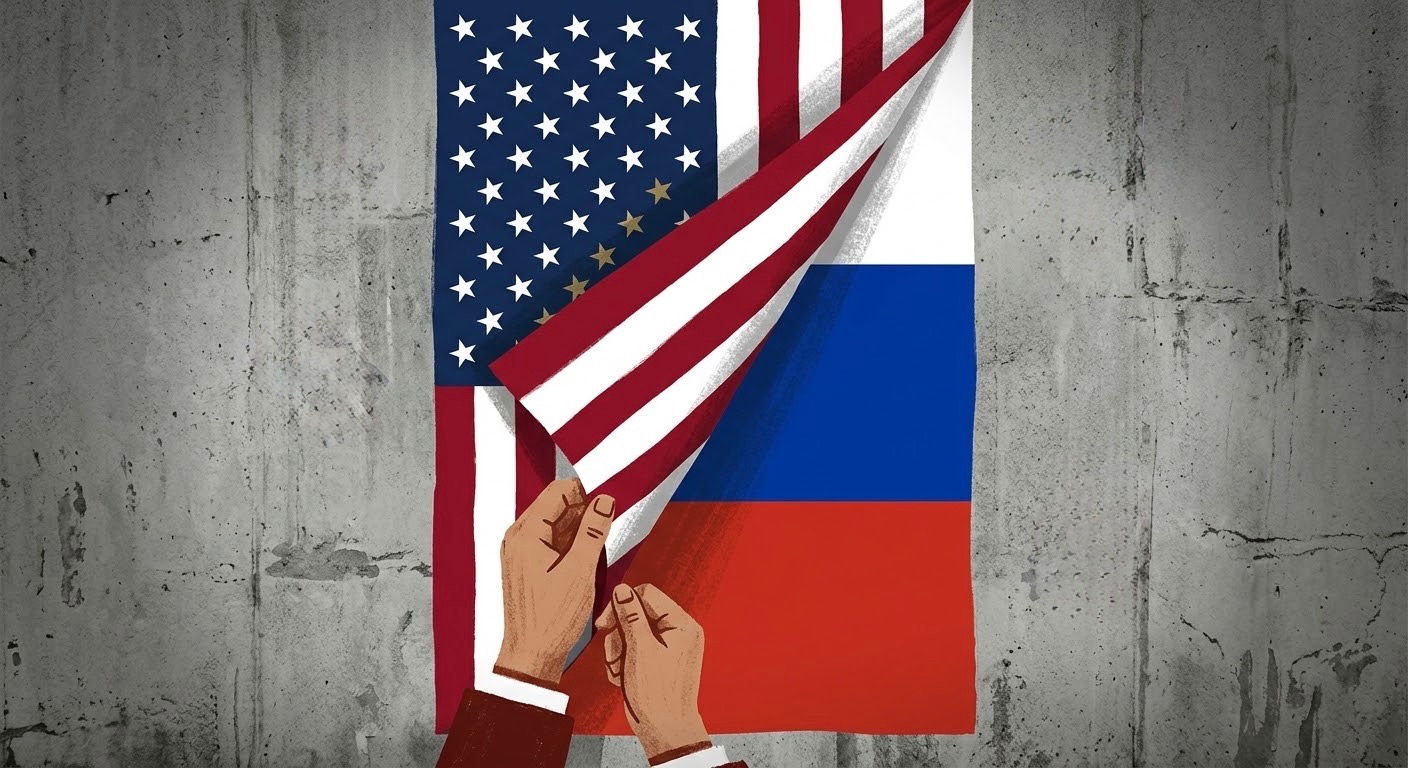
What false flag operations are, their naval origins, and cases including Mukden in 1931, Gleiwitz in 1939 and Northwoods, a plan that was never executed.

What asymmetric warfare means, where the concept originated, and examples ranging from Vietnam to Hezbollah and the Houthis' operations in the Red Sea today.
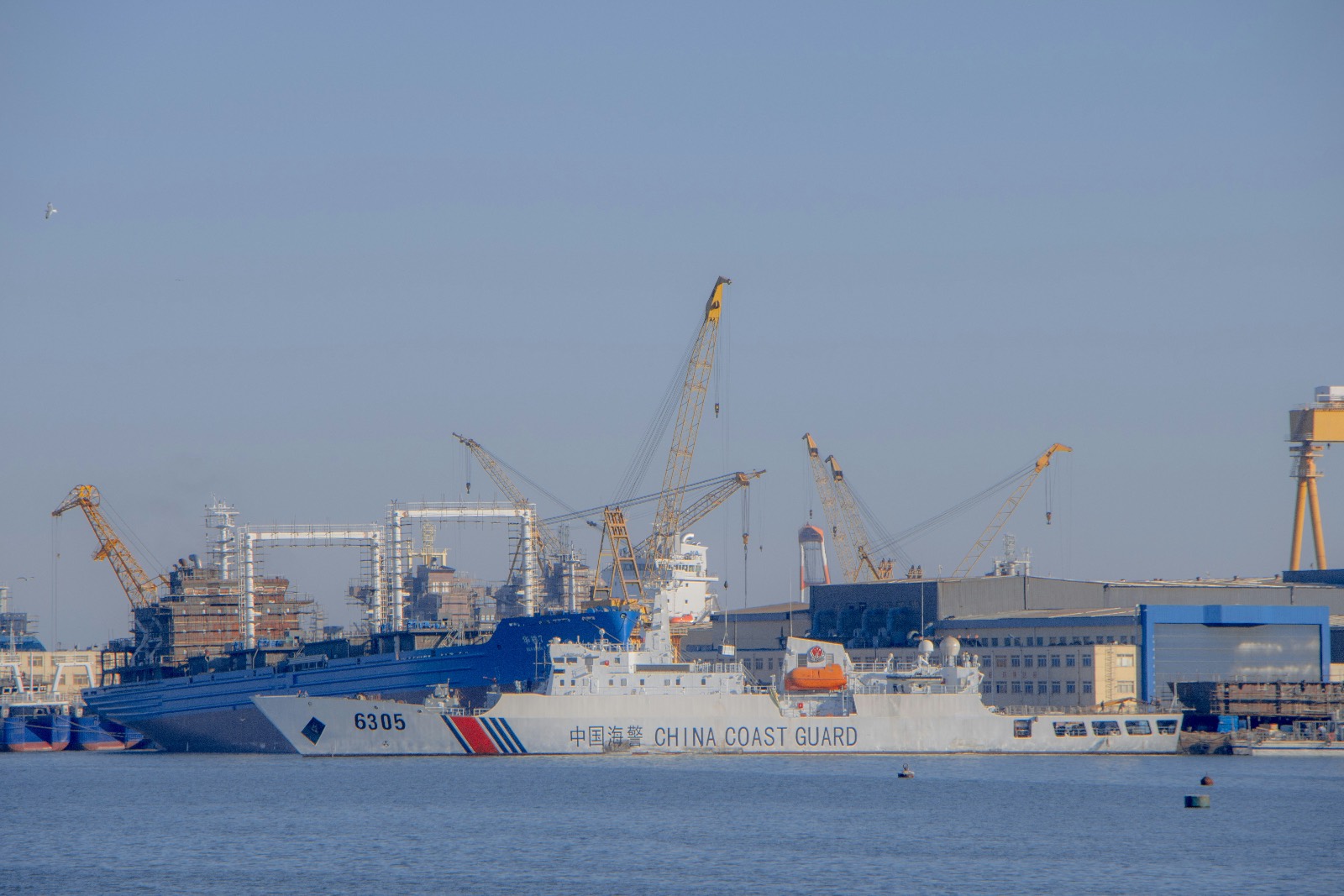
How China's maritime militia, fishing fleet and coast guard fit into its naval strategy, with the 2021 law and disputes in the South China Sea as context.

What the weaponization of migration flows is, how the EU and researchers describe it, and what the cases of Turkey, Ceuta 2021 and the Belarus border show.