
Strategy & Tactics
What Is Statecraft? Meaning, Tools and Examples
What statecraft means and how diplomacy, economics, information and force fit into governing, with examples ranging from Bismarck to modern sanctions.
Manoeuvre, logistics, command and decision-making: how campaigns are actually won and lost.
What statecraft means and how diplomacy, economics, information and force fit into governing, with examples ranging from Bismarck to modern sanctions.
How game theory frames war and deterrence through the prisoner's dilemma, chicken, Schelling's credible threats and the Cuban Missile Crisis, without maths.
Who decides to go to war, and why do peoples with no quarrel end up fighting? Elites and public opinion in 1914, Yugoslavia, the Falklands and Iraq in 2003.
What A2/AD means, the origins of anti-access and area denial, and debates about defensive bubbles in China, Kaliningrad and the Black Sea through known cases.
What hasbara means, how Israel's public diplomacy bodies and social media efforts work, and why their relationship with propaganda and influence is contested.
How bridges, tunnels and border bureaucracy constrain military mobility in Europe, and what EU and NATO efforts reveal about dual-use infrastructure challenges.
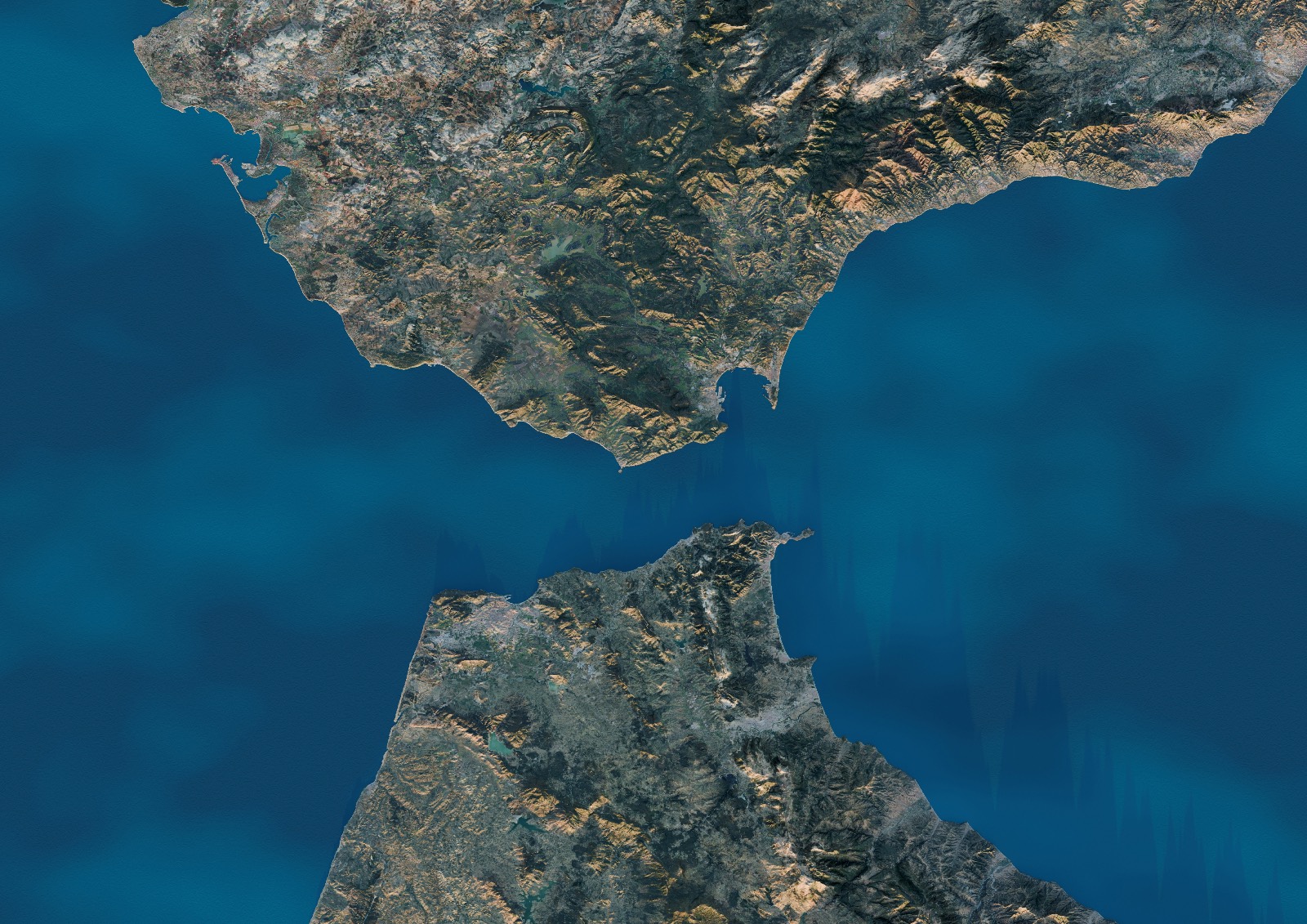
The world's most important maritime straits explained through trade, energy flows, naval power, international law and the history of strategic sea chokepoints.
What scorched earth means, from Russia in 1812 to accounts of Cortés and Tariq ibn Ziyad, distinguishing documented events from legends about burning the boats.
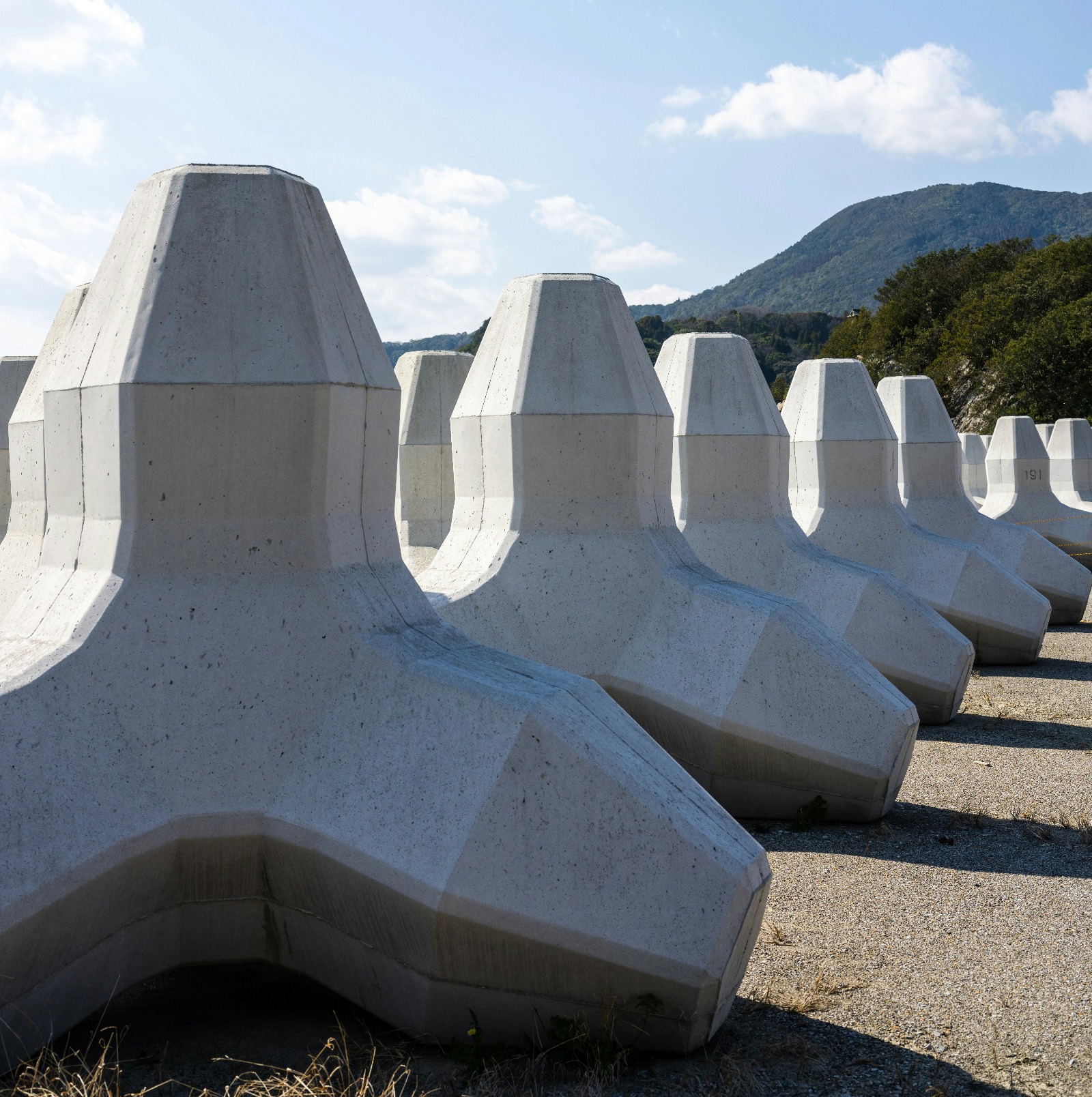
How passive anti-tank defences such as dragon's teeth, hedgehogs and ditches obstruct movement, and why these obstacles have returned to today's front lines.
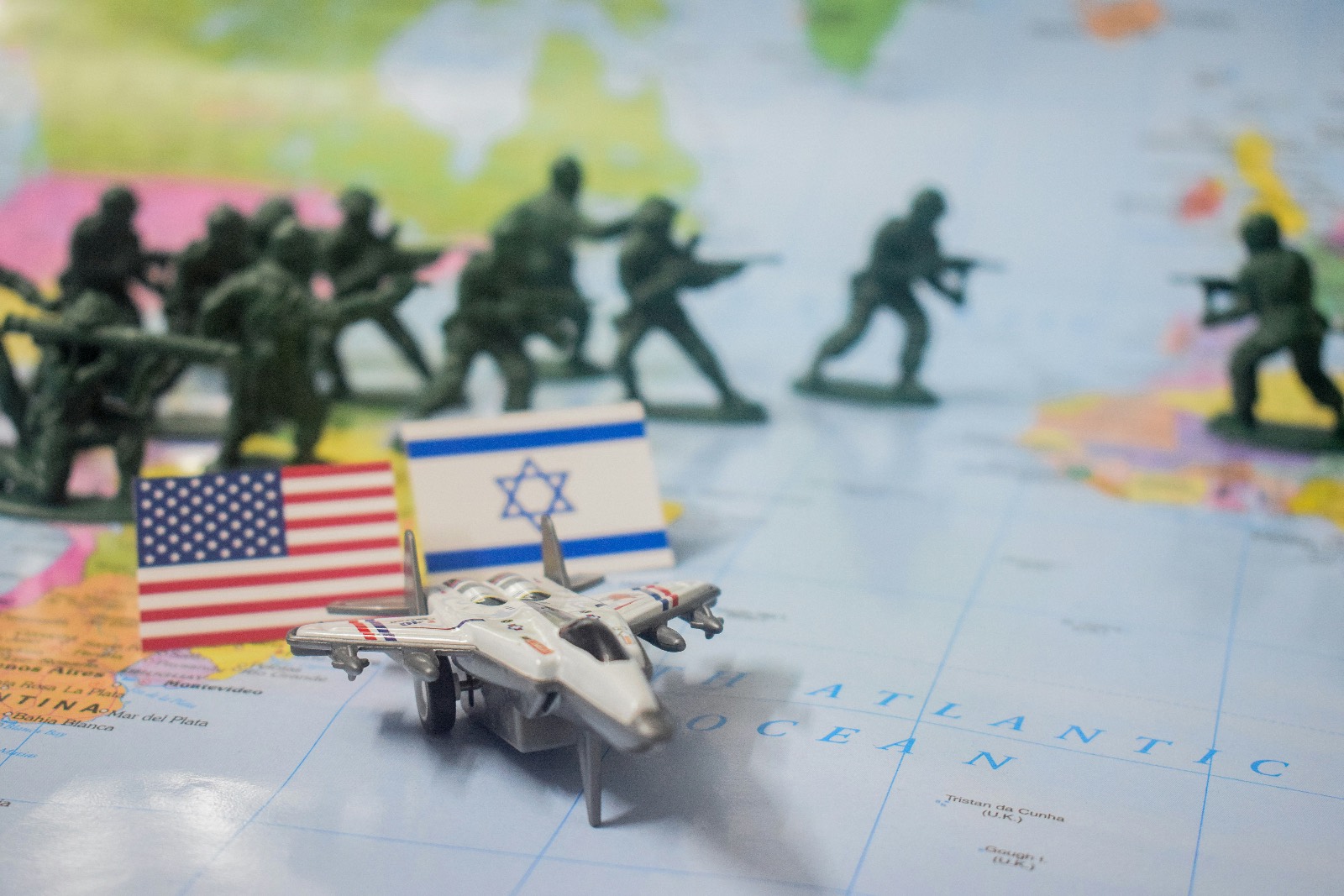
What military wargames are, from Prussian Kriegsspiel to general staffs and think tanks, and their strengths and limitations as tools for military analysis.
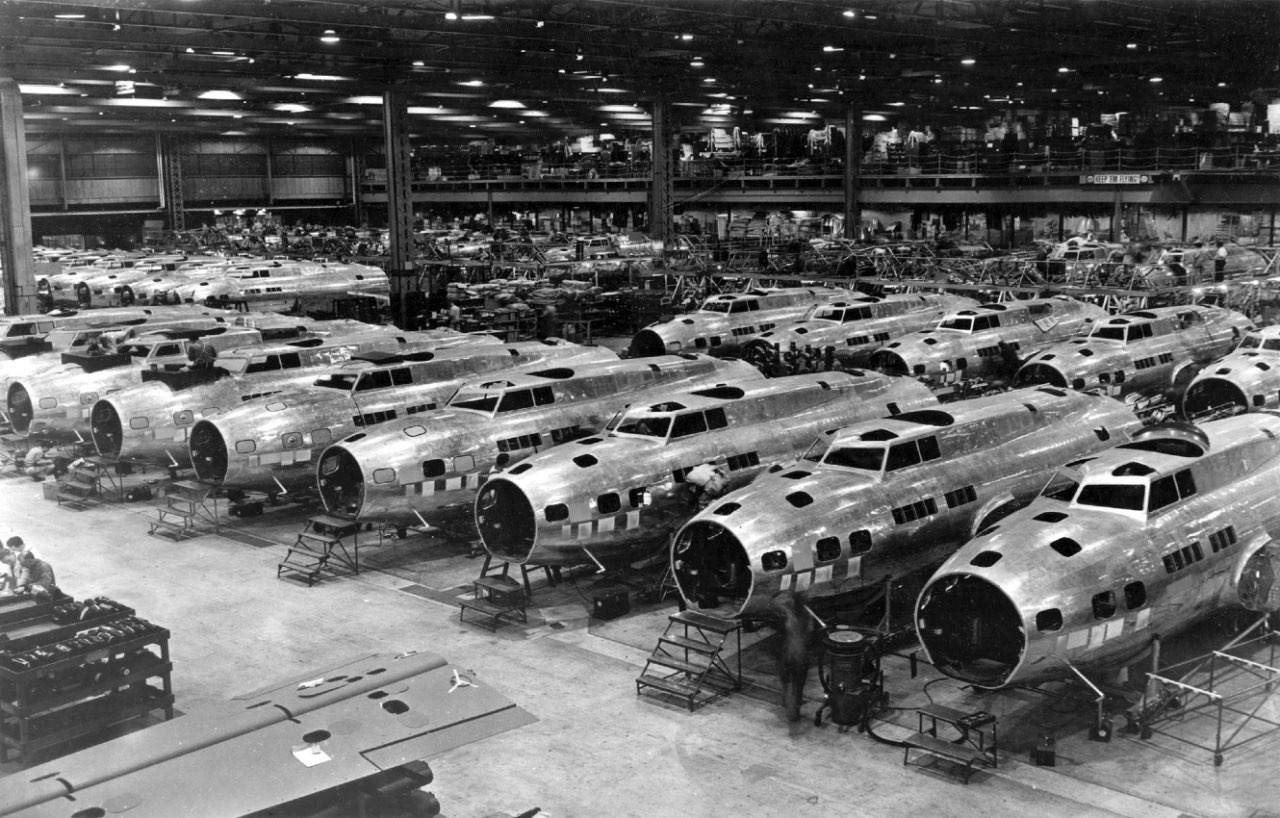
What defines a war economy, how military expenditure is measured, and how states finance the resources needed to sustain defence commitments and armed conflict.
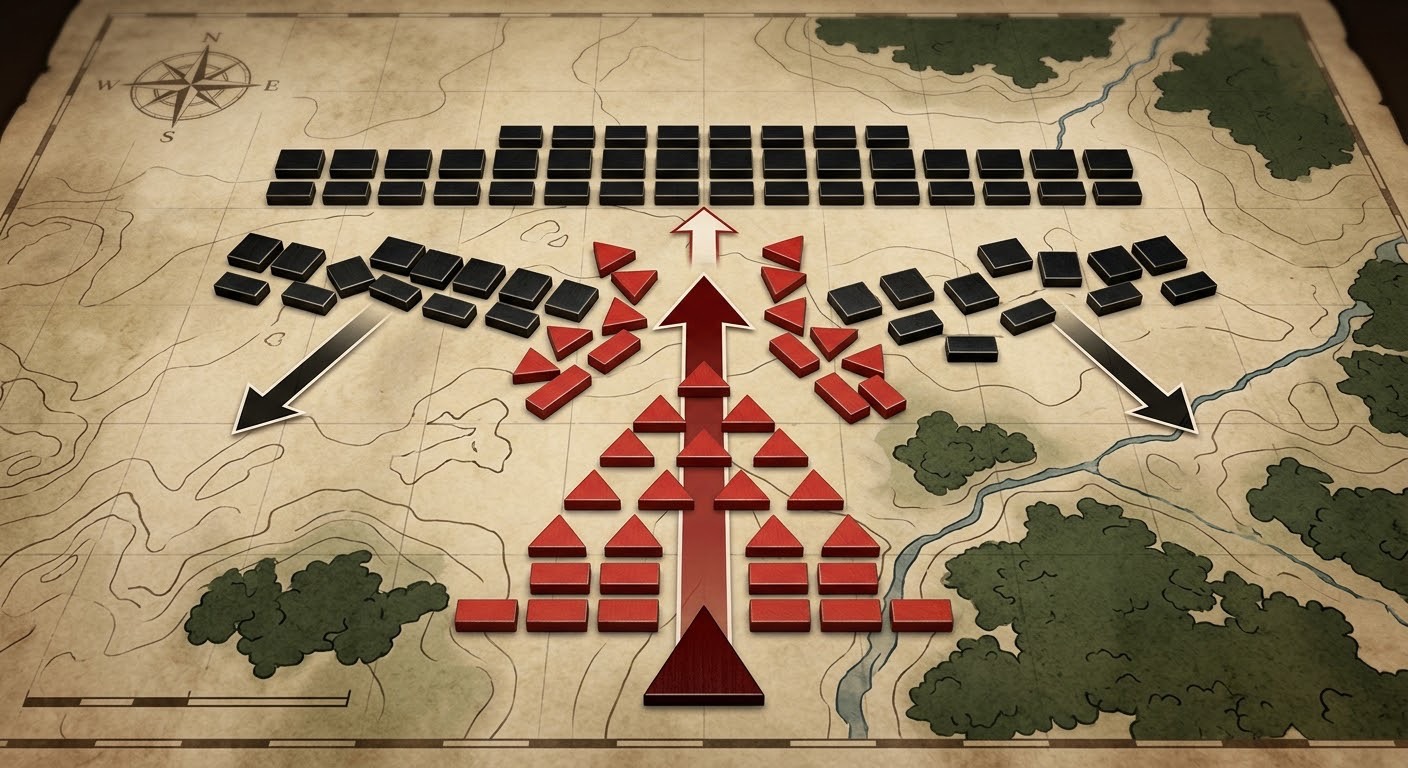
The wedge breakthrough military tactic explained through concentrated penetration, its principles, and historical examples from Leuctra to Sedan in 1940.
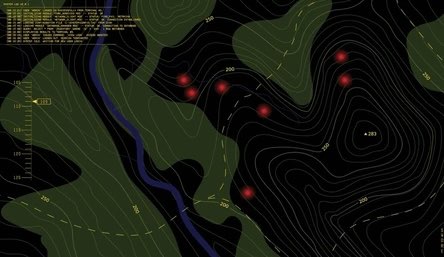
How terrain shapes warfare, comparing the European Plain, Vietnam's jungles and the mountains of Afghanistan and Iran to show geography's military constraints.

What double-tap and triple-tap airstrikes mean, how they differ from other attacks, and cases in Pakistan, Yemen, Syria and Gaza under humanitarian law.
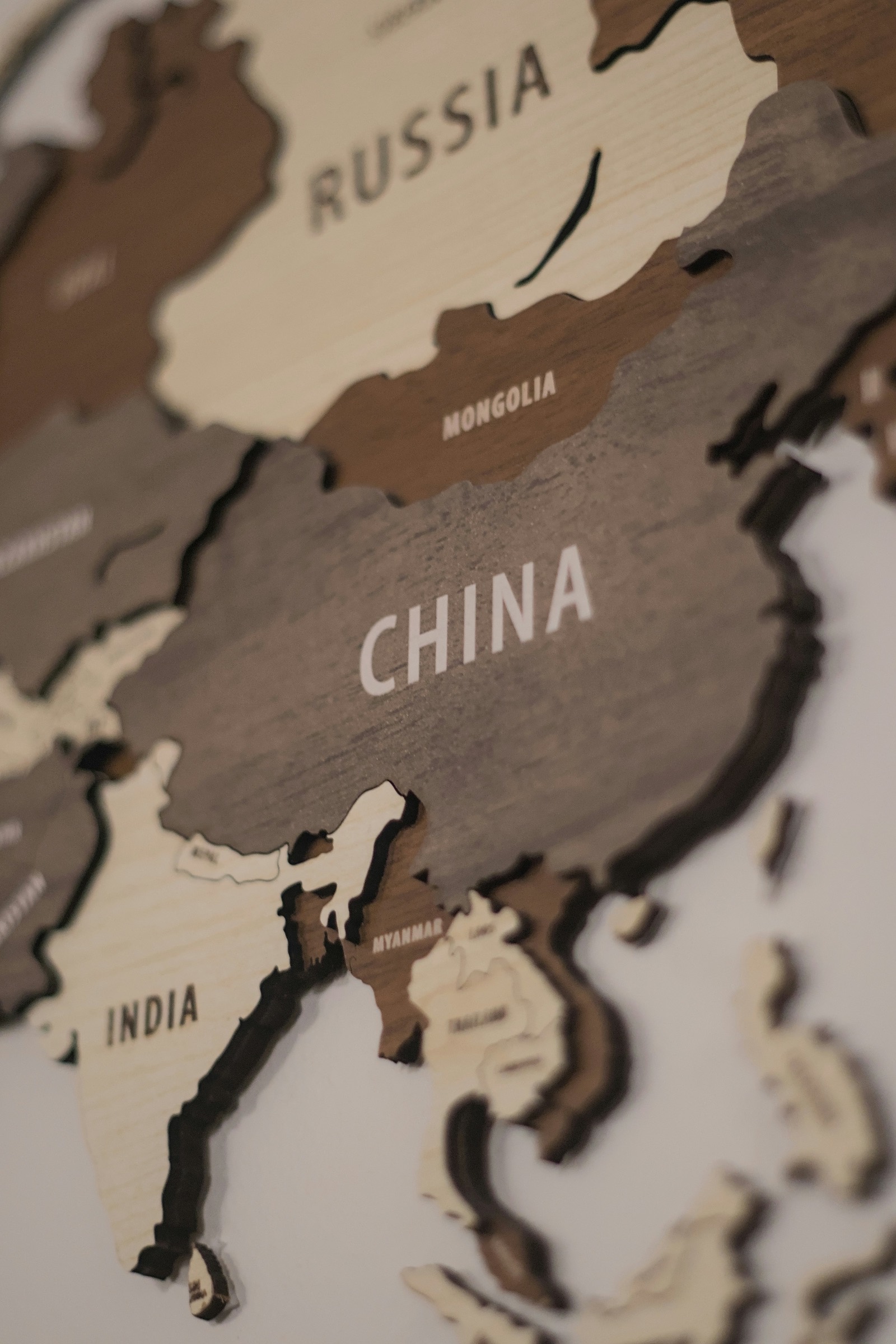
What a show of force means, why states deploy assets as political signals without fighting, and how documented examples reveal the limits of signalling.
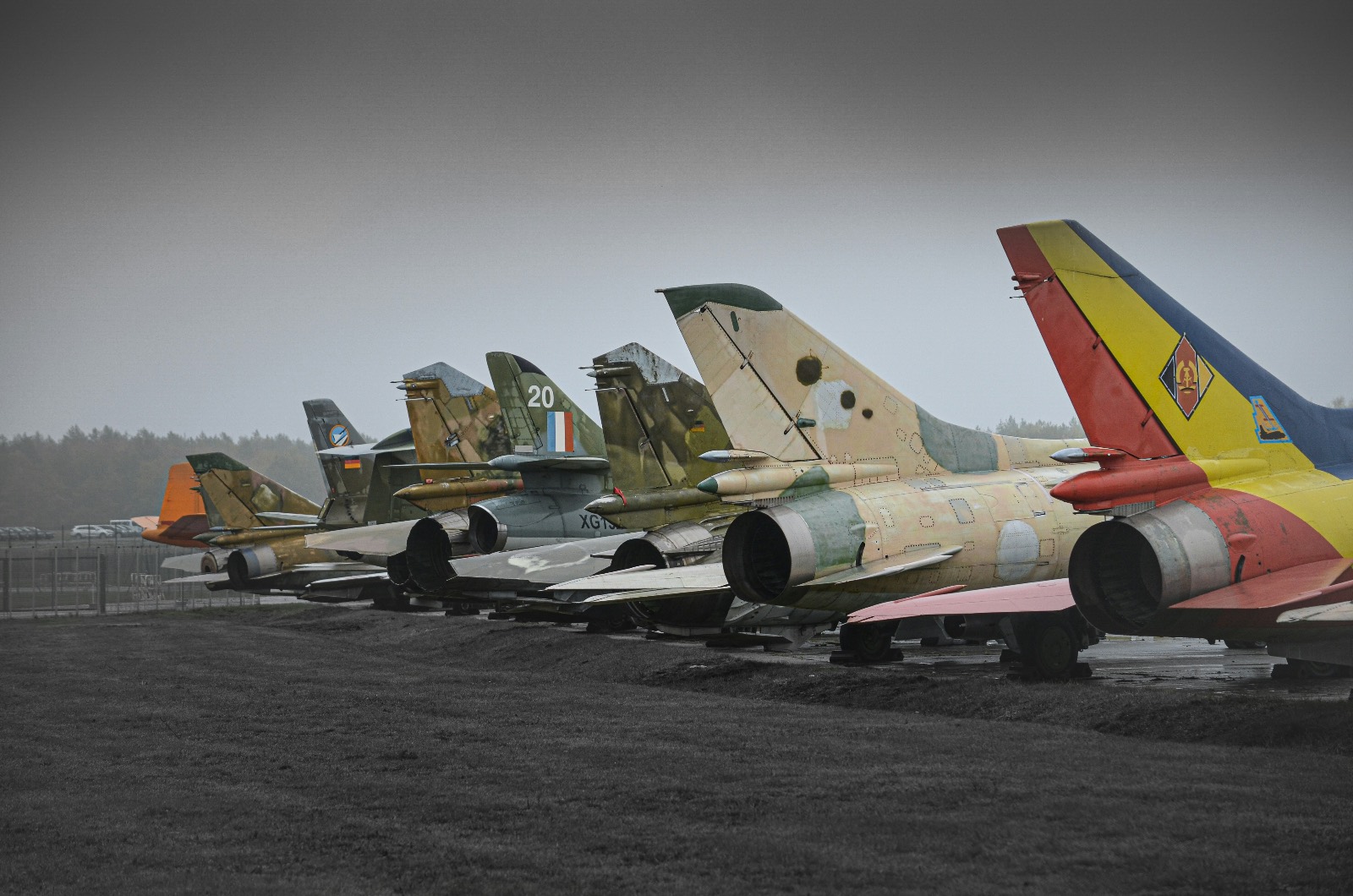
What military exercises are, what large-scale drills are for, and how they work as political signaling between states, with the OSCE's transparency tools.
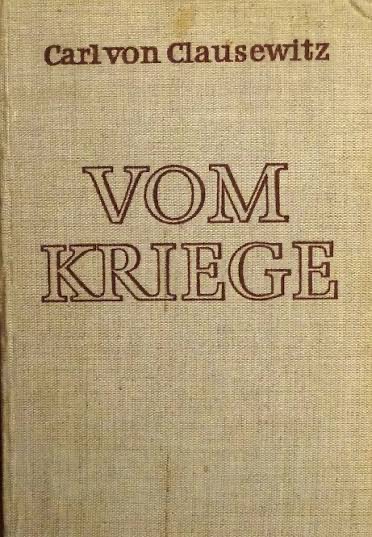
Sun Tzu and Clausewitz compared through their military doctrines, from deception and economy of force to friction, political purpose and centres of gravity.
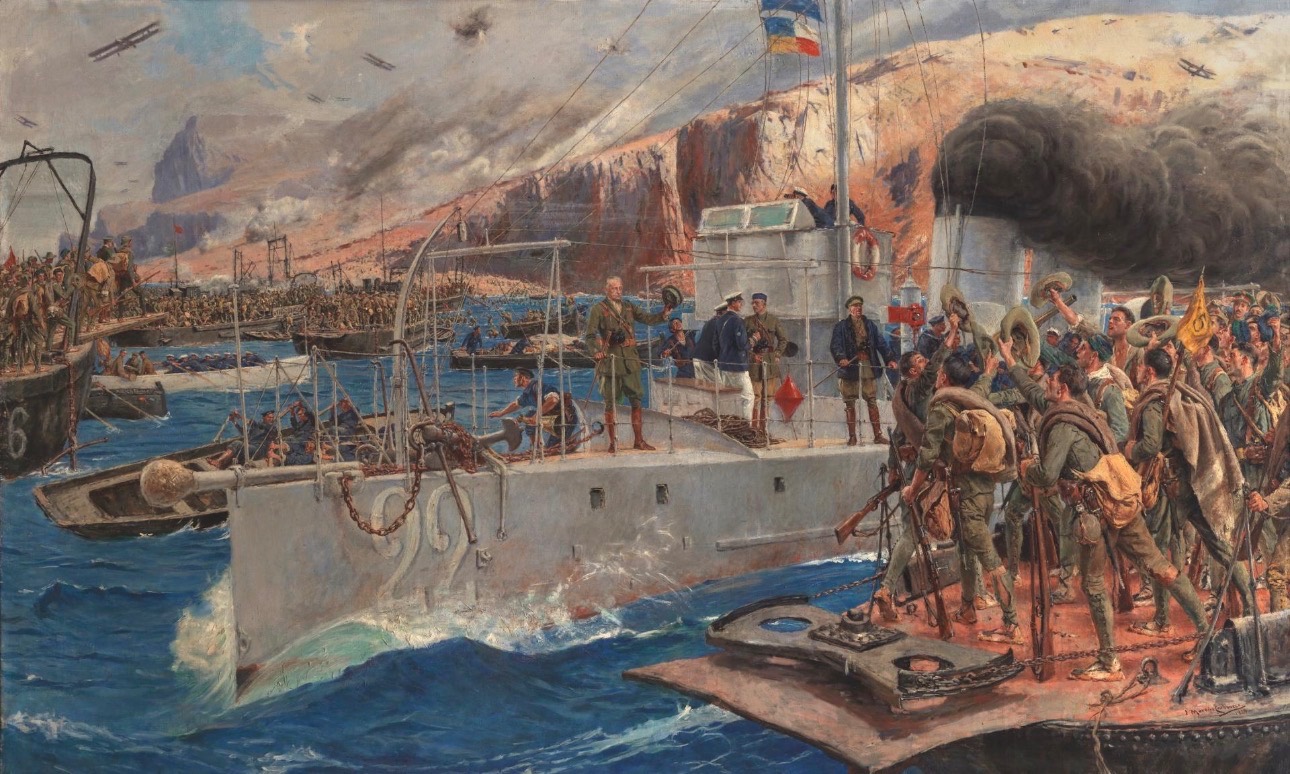
A military analysis of the 1925 Alhucemas landing, covering the Rif War context, Spanish-French planning, the operation's execution and its wider consequences.
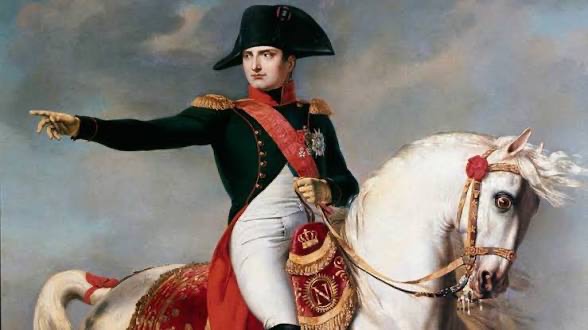
How Napoleon used artillery, from the Gribeauval system and concentrated grand batteries to horse artillery, and the role these developments played in warfare.