
Cyber Warfare
What is threat intelligence? How cyber attribution works
What cyber threat intelligence means, the models it uses and challenges in attributing attacks, with cases from APT1 to NotPetya, SolarWinds and false flags.
Military networks, operations in cyberspace, persistent threats and the protection of critical systems, explained from public sources without operational guidance.
What cyber threat intelligence means, the models it uses and challenges in attributing attacks, with cases from APT1 to NotPetya, SolarWinds and false flags.

What IMSI catchers are, how fake cell towers relate to phone surveillance, and what documented cases, legal debates and the limits of 5G reveal about its use.

What is a honeypot in cybersecurity? From the astronomer who caught a KGB-linked hacker to honeynets, honeytokens, Hansa, ANOM and the legal limits of decoys.
APTs combine resources, persistence and strategic objectives. Their names and attribution require separating technical evidence from intelligence judgments.
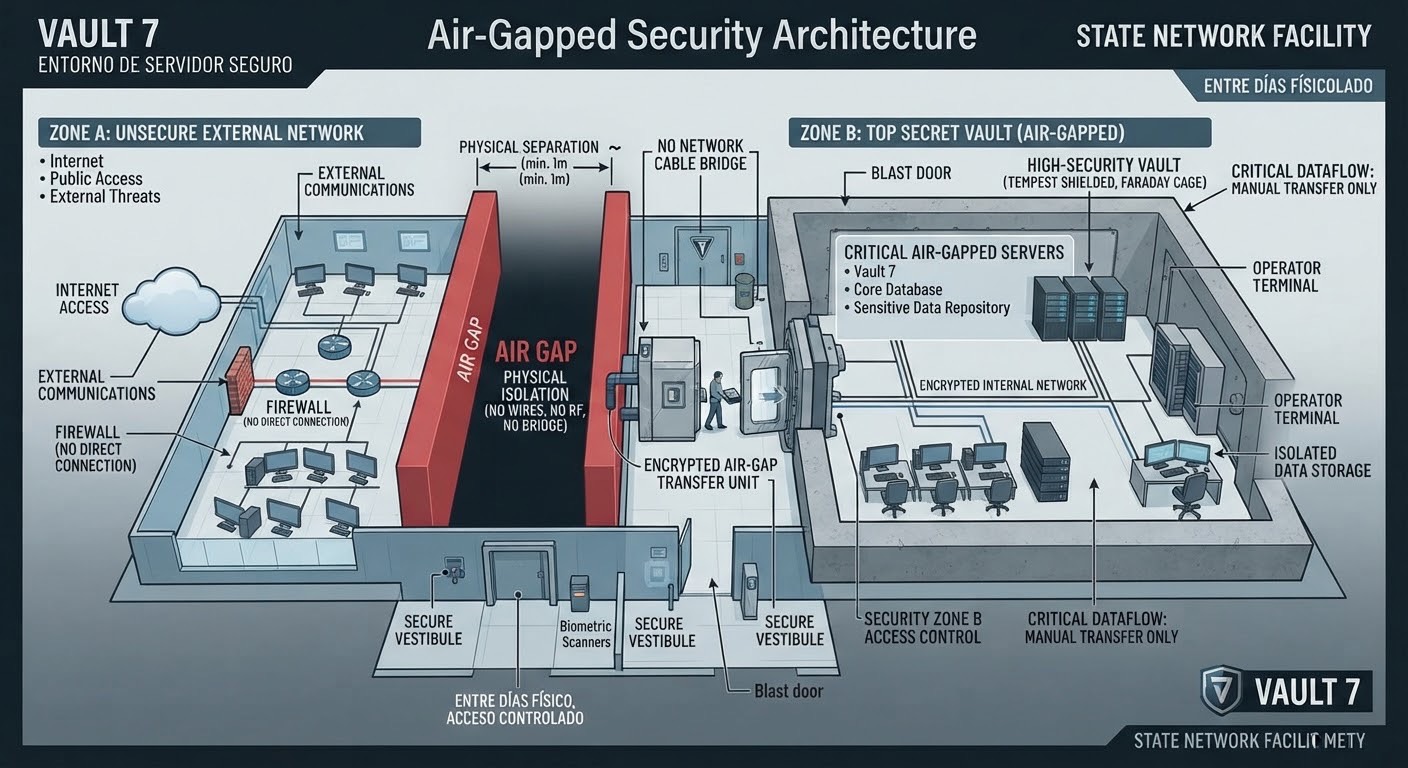
An air gap physically separates sensitive systems from other networks, but the history of Stuxnet illustrates why isolation does not guarantee invulnerability.
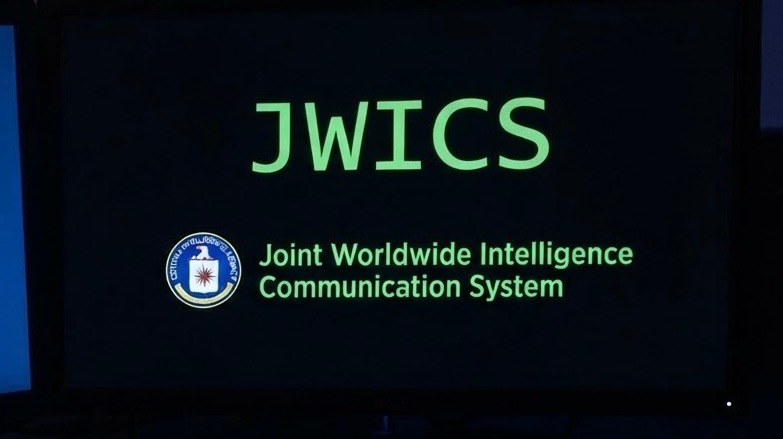
JWICS, SIPRNet and NIPRNet are separate US defence networks, not rival internets, with distinct classification levels, missions and controls governing access.