
Military History
Strategic culture: four national ways of war in Europe
Strategic culture and national ways of war: Russian fatalism, Anglo-American pragmatism, German idealism and Spanish honour — the examples and the objections.
Campaigns, battles and doctrines across the centuries: from the hoplite phalanx and the Roman legions to the world wars.
Strategic culture and national ways of war: Russian fatalism, Anglo-American pragmatism, German idealism and Spanish honour — the examples and the objections.
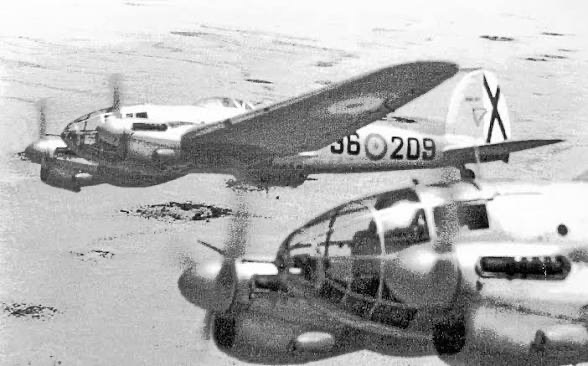
How Spanish aviation supported isolated Ifni outposts after the attack of 23 November 1957, including Spain's first wartime parachute jump at Tiliuin.
Why military careers were a traditional path for Europe's nobility, and how First World War pilots inherited the aristocratic imagery of medieval chivalry.
How the condottieri worked, what an Italian military contract actually said, and why the myth of bloodless Renaissance battles does not survive the sources.
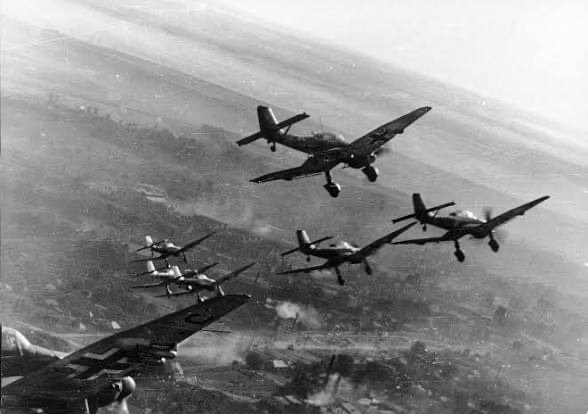
How Stuka sirens, bombardment and displays of firepower shaped fear at the front, separating documented human effects from myths about battlefield terror.
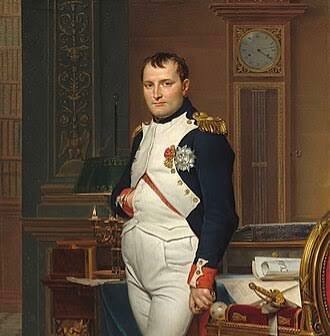
Why the French Revolution produced generals in their twenties, which young commanders are documented, and how later European armies changed promotion practices.
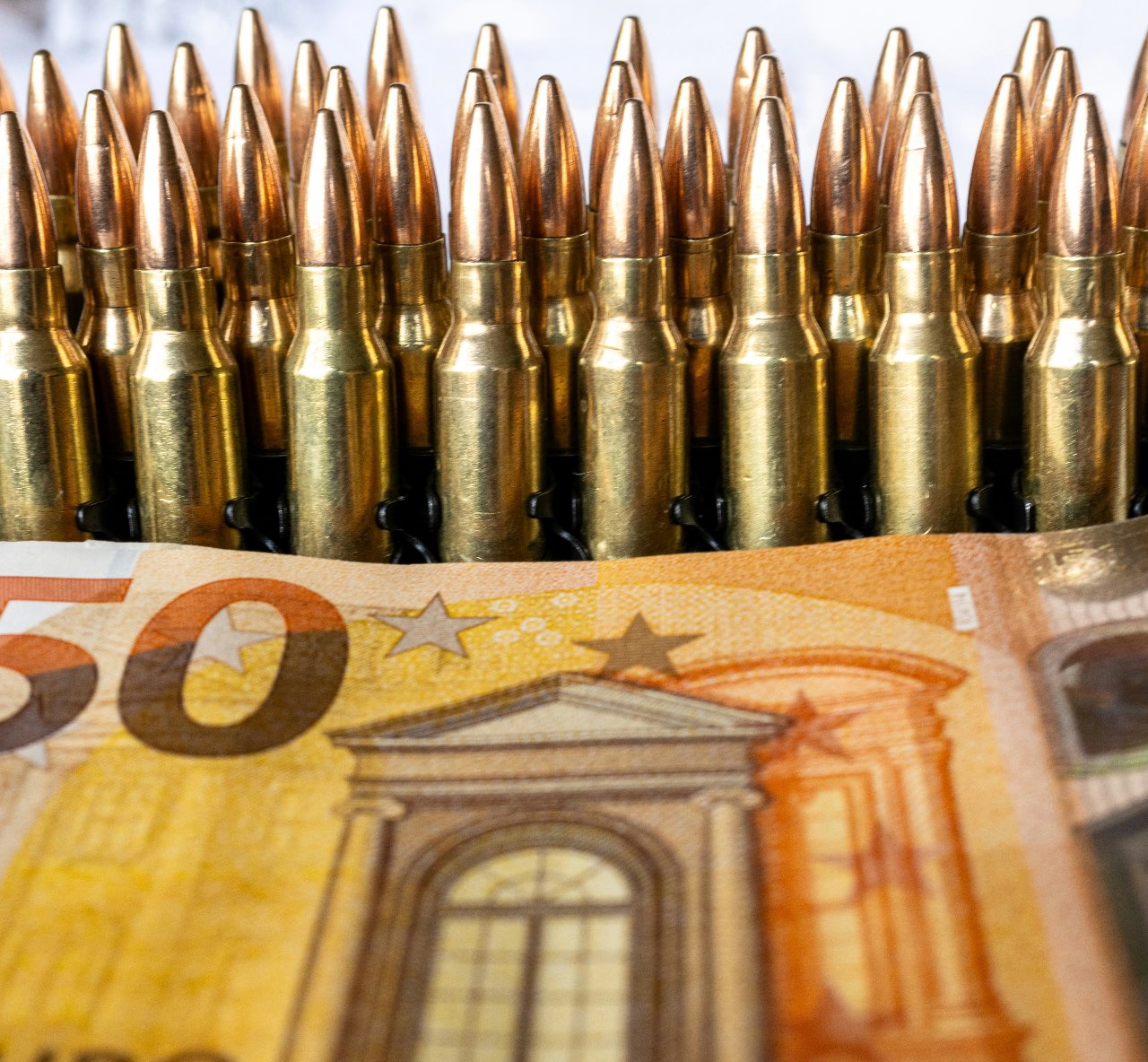
How wartime mobilisation reshapes factories, labour, prices and consumption, and why inflation, rationing and social costs extend beyond the battlefield.
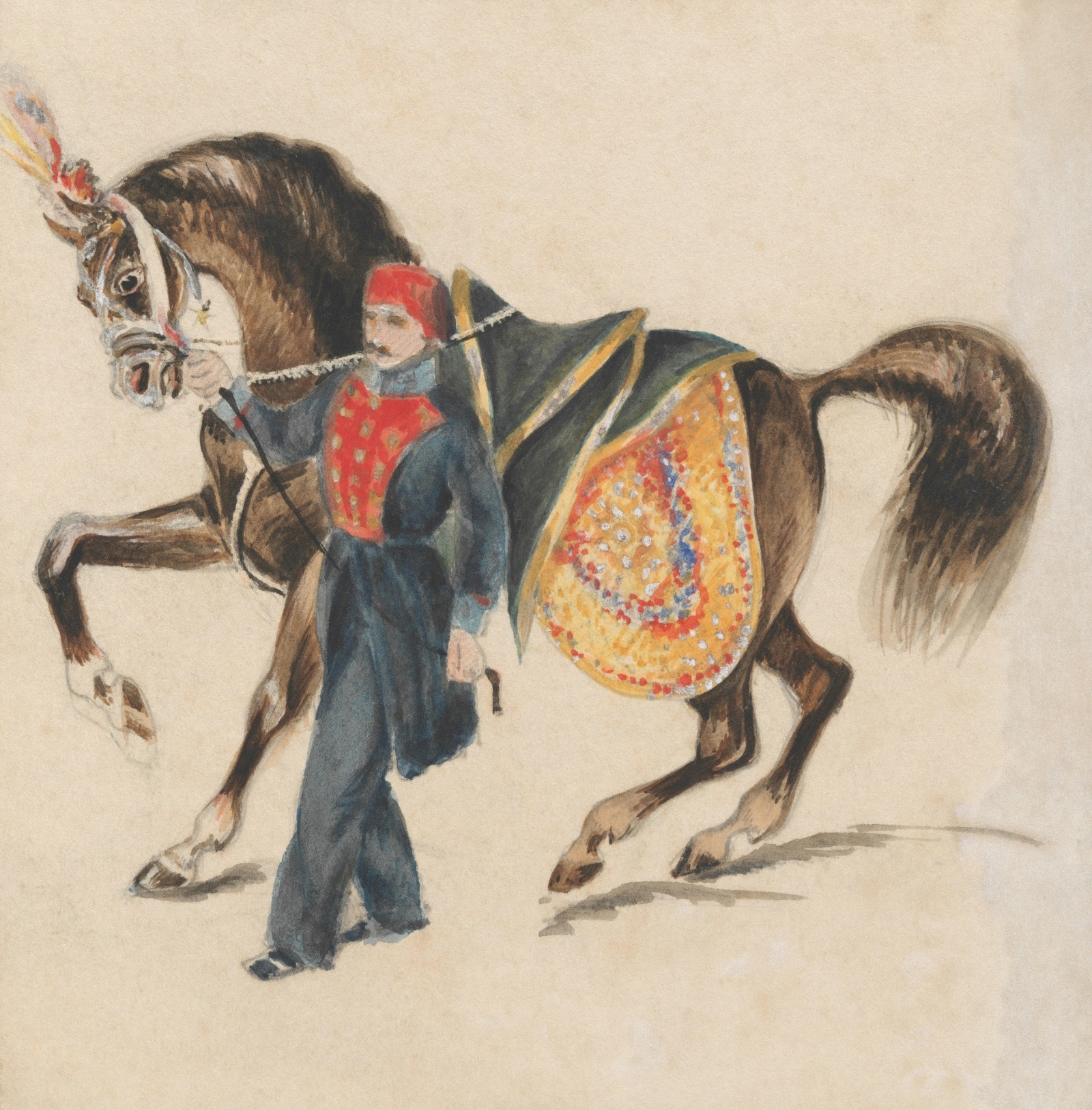
Where military values come from: Veblen on the predatory leisure class, Keen and Huizinga on chivalric codes, and which honour customs are actually documented.
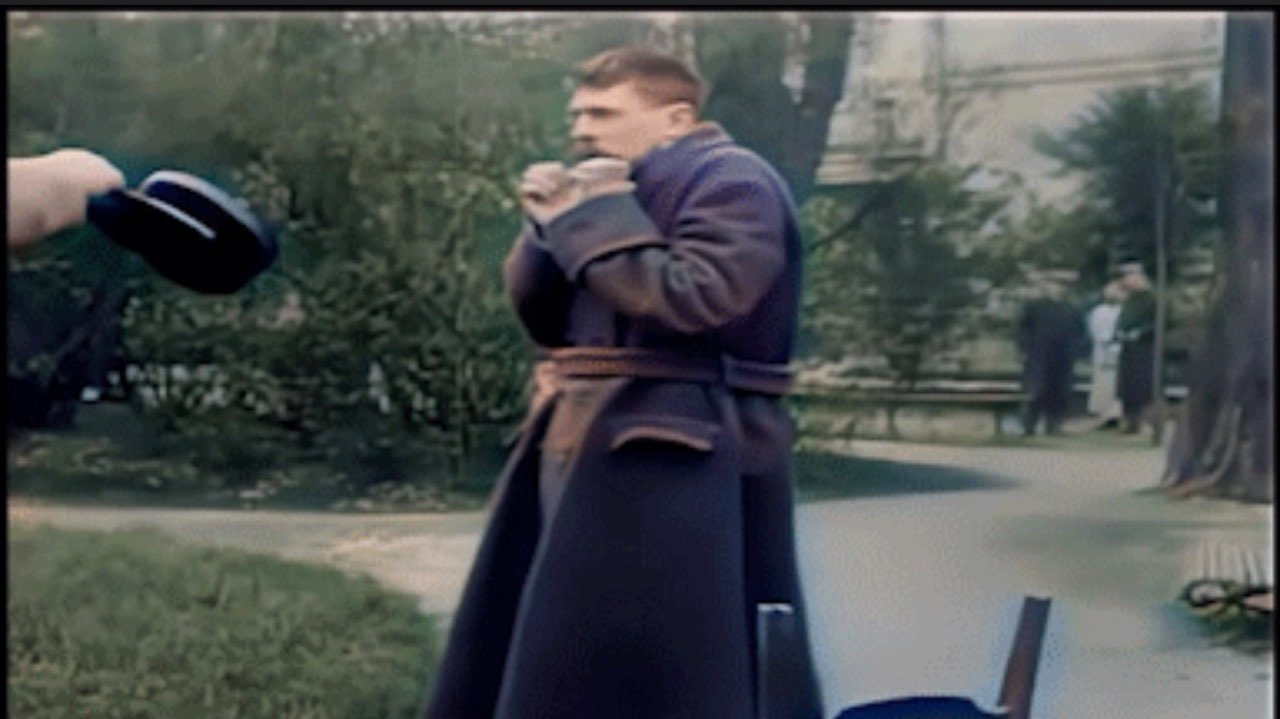
Shell shock forced the armies of 1914–18 to confront psychological wounds they barely understood. Its history illuminates—but is not identical to—modern PTSD.
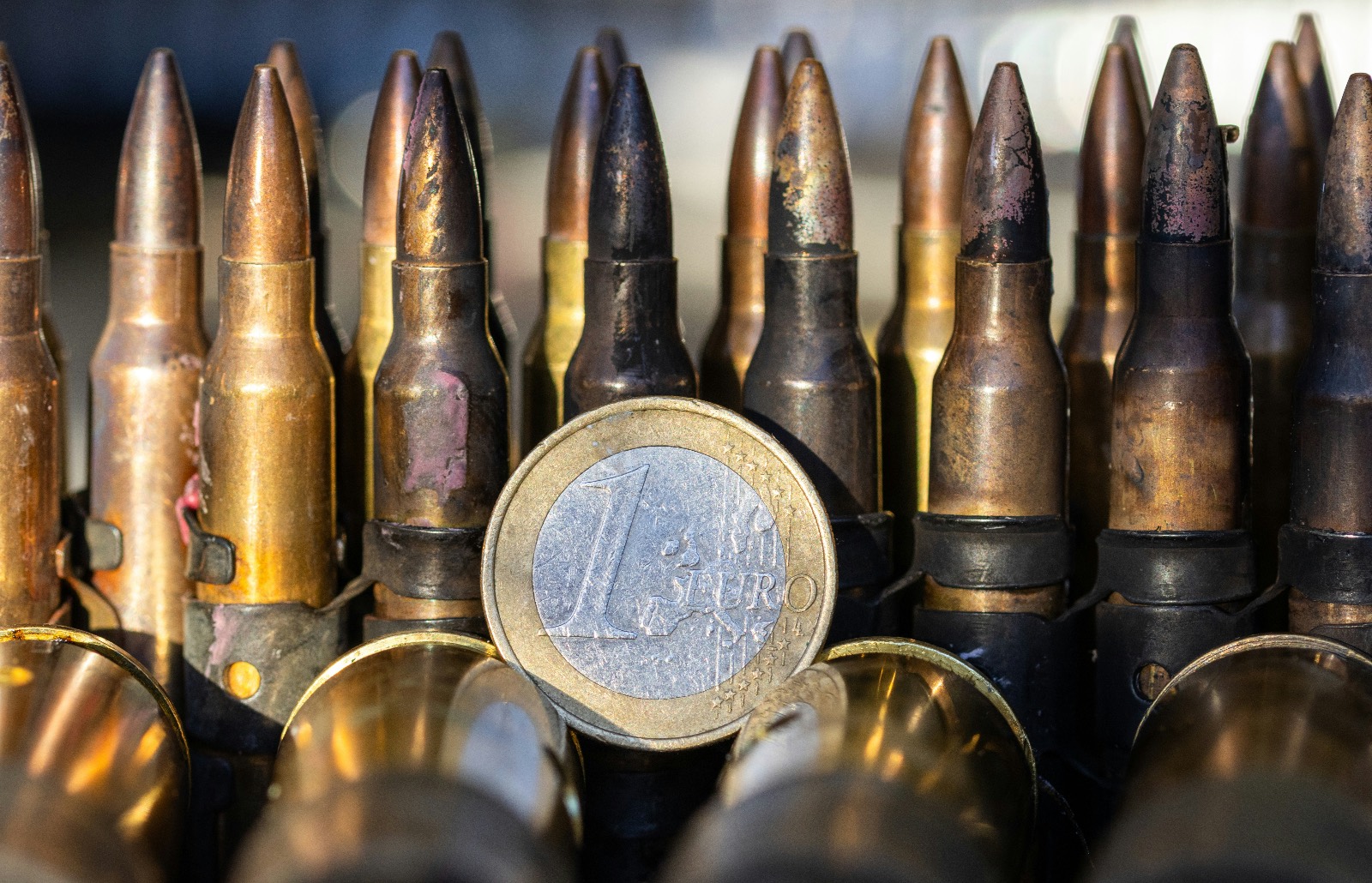
How the arsenals of the former Soviet republics and the old Yugoslavia were scattered in the 1990s, and the black market in light weapons that resulted.
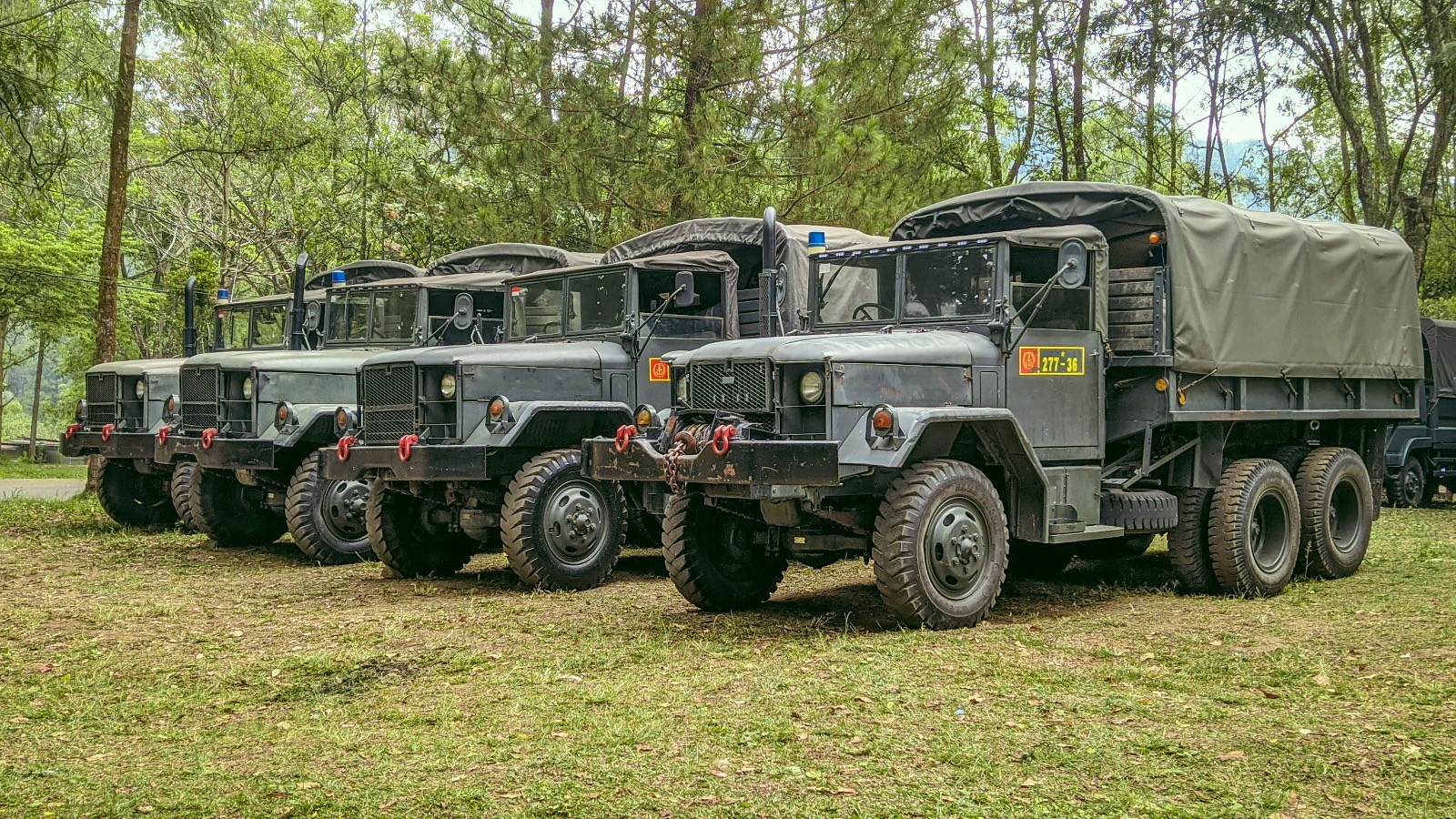
How military logistics shaped Stalingrad, Rommel's campaign in North Africa and the Pacific submarine war, showing the consequences of disrupted supply lines.
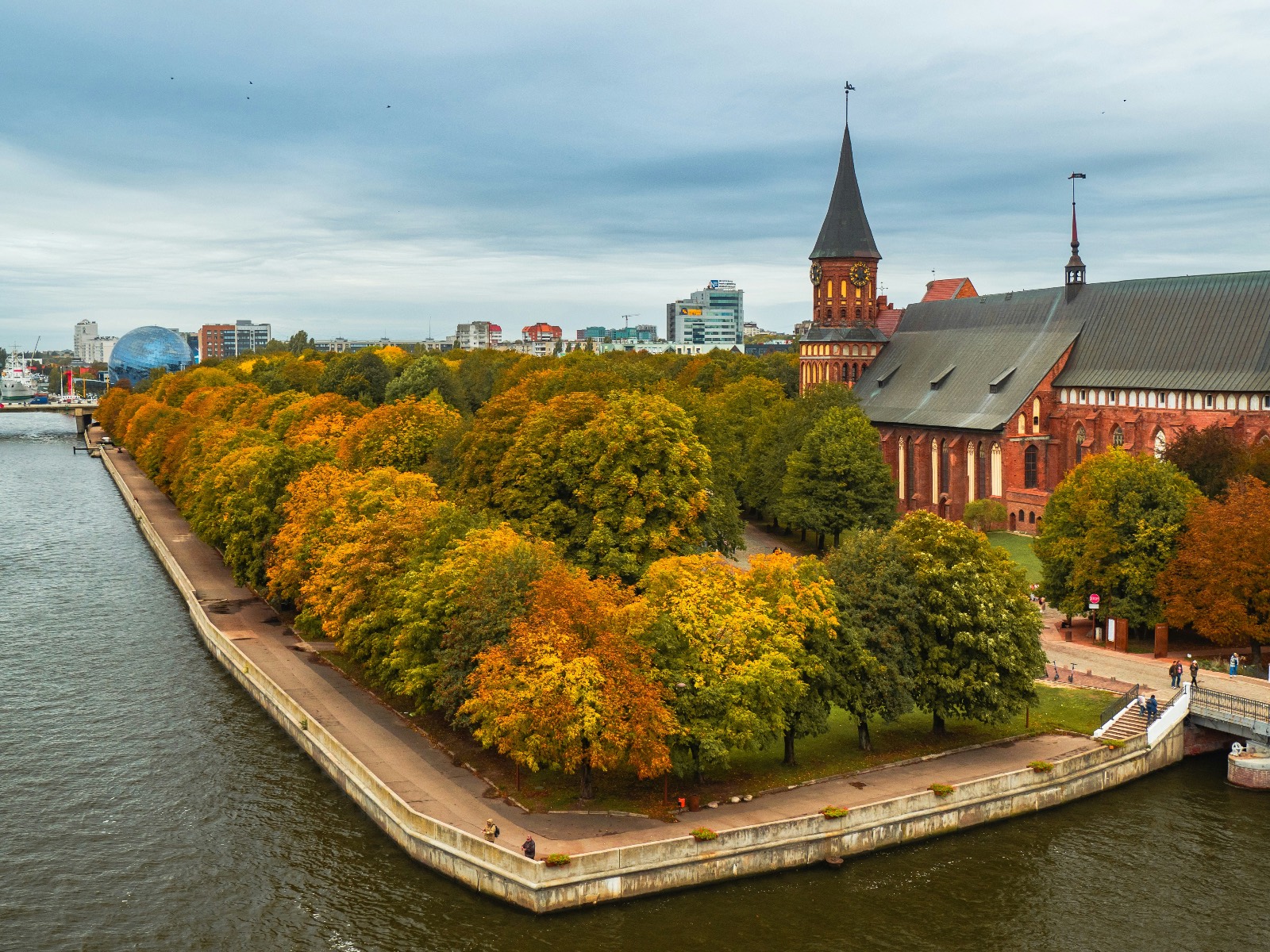
Königsberg's Prussian military history, from Kant and von Kleist to the General Staff: from Prussia's capital to Kaliningrad, a militarized Russian exclave.
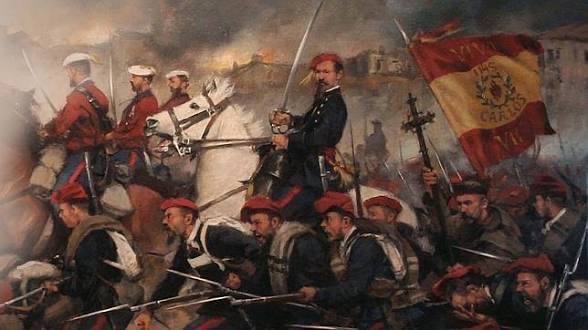
What guerrilla warfare means, the Spanish origins of the term, and how resistance to Napoleon from 1808 to 1814 influenced later accounts of irregular warfare.
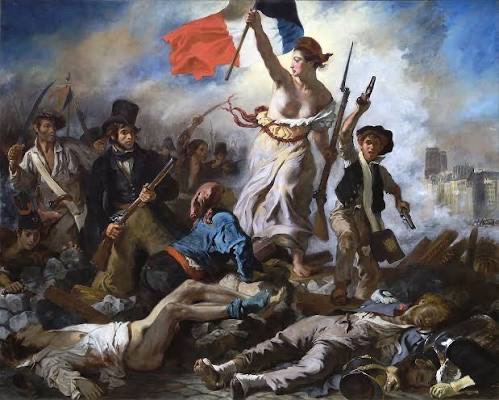
How revolutionary France's levée en masse in 1793 expanded national mobilisation, reshaped warfare and contributed to the historical development of total war.