
War Economy I: Military Spending and Finance Explained
· By Archivo Bélico editorial team · Updated
What distinguishes a war economy, how military expenditure is measured, and where states obtain the resources needed to sustain defence and conflict.
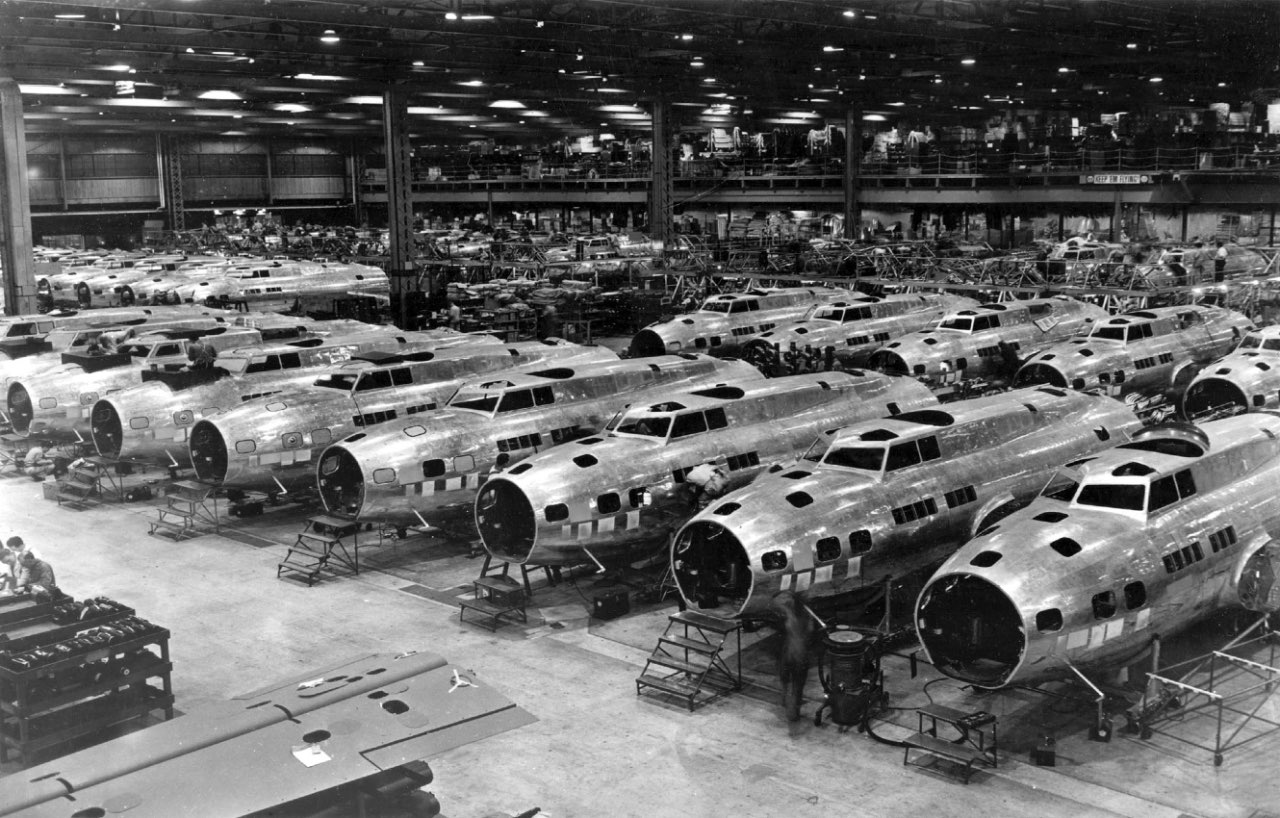
A war economy is not simply an economy that spends more on defence. It is a system in which the state reallocates labour, capital, raw materials and industrial capacity towards military objectives, accepting costs that would be politically or economically exceptional in peacetime.
What military spending actually measures
SIPRI uses a broad definition covering armed forces, ministries and agencies engaged in defence projects, paramilitary forces trained for military operations and military space activities. Comparisons require caution because budgets, exchange rates, secret lines and pensions are not recorded consistently.
Four ways to pay for war
- Taxation shifts part of the cost into the present and reduces private consumption.
- Debt spreads payment over time but creates interest and future constraints.
- Money creation supplies liquidity while risking inflation when output cannot respond.
- Reallocation and controls move materials and production from civilian uses to military priorities.
GDP share does not tell the whole story
Share of GDP compares relative effort, not absolute capacity. A wealthy country may allocate a smaller share while spending more on each service member, research or maintenance. What the budget buys, administrative efficiency and the ability of industry to replace losses also matter.
Defence, deterrence and opportunity cost
Spending may reduce the likelihood of aggression when it creates credible deterrence, but every resource has alternative uses. The economic question is not whether defence and welfare are always opposites; it is how much security each unit of spending purchases and which risks follow from deferred civilian investment.
From finance to mobilisation
As conflict lengthens, the budget ceases to be the only problem. Labour, factories, energy, transport, inflation and rationing move to the centre. That transformation is the subject of the second part of this guide.
Frequently asked questions
- What is a war economy?
- It is the reorganisation of public and private resources to sustain military objectives through spending, finance, regulation and productive mobilisation.
- Does higher spending guarantee stronger armed forces?
- No. Prices, efficiency, readiness, maintenance, reserves, industry and alliances matter; a budget alone does not measure effective capability.
Sources and references
- SIPRI, Military Expenditure Database: Sources and Methods.
- SIPRI, Trends in World Military Expenditure, annual fact sheets.
- World Bank, Military expenditure indicators.
- Mark Harrison, The Economics of World War II, Cambridge University Press, 1998.
- Adam Tooze, The Wages of Destruction, Allen Lane, 2006.