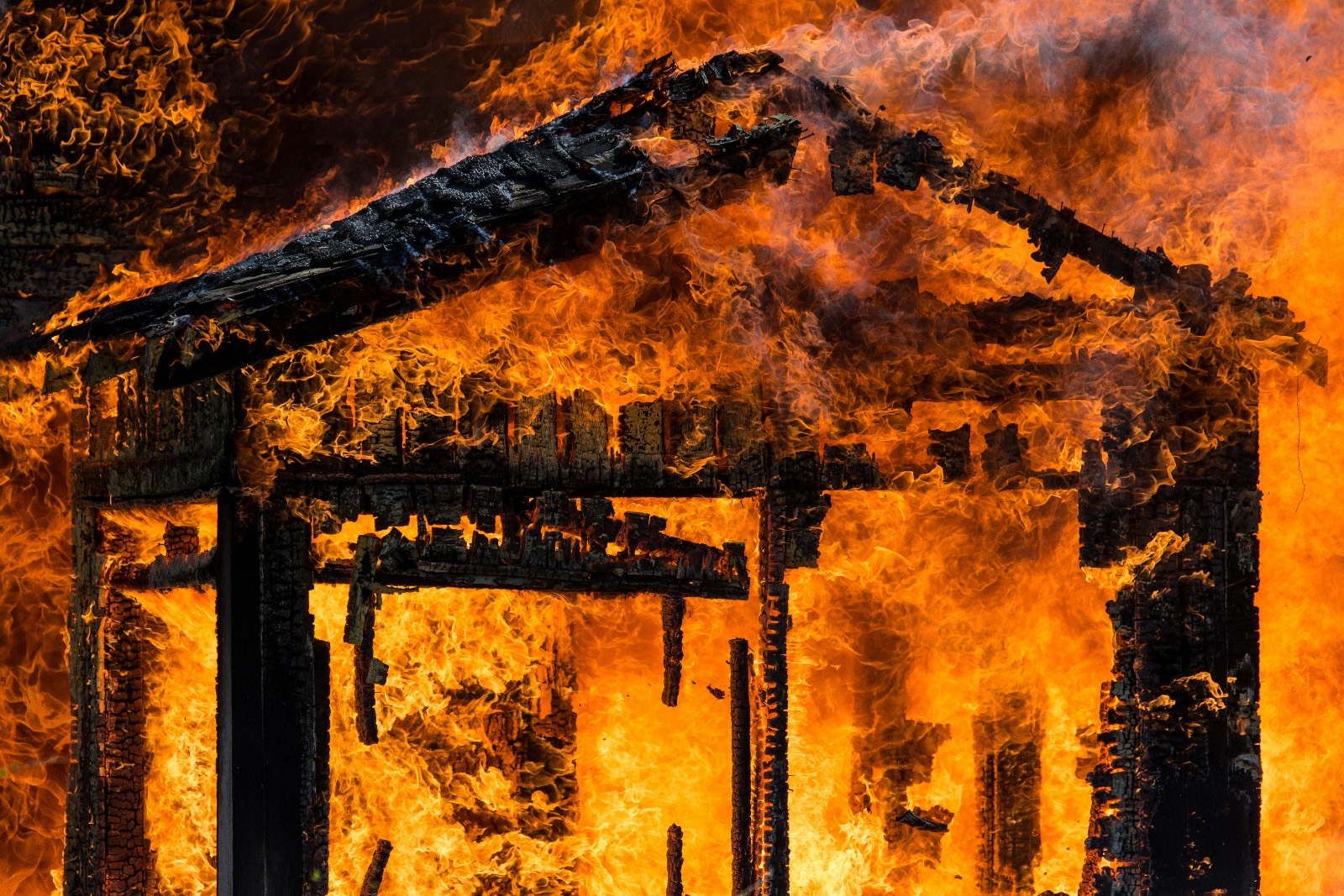
Scorched earth and the historical myth of burning the boats
· By Archivo Bélico Editorial Team
From Russia in 1812 to Cortés and Tariq ibn Ziyad: what scorched earth means, which cases are documented and which are later legends.
What scorched earth means in military strategy
Scorched earth denies an adversary resources, infrastructure or mobility during retreat or defence. It may involve evacuating or destroying supplies, but it is not the same as “burning the boats”, a tradition about preventing one’s own retreat. Both evoke irreversible commitment, yet their evidence and consequences differ.
Russia in 1812: a well-documented case
During Napoleon’s invasion, Russian forces withdrew inland while denying local supplies to the Grande Armée. Destruction, distance, weather, disease and logistical failure interacted; no single-factor explanation is adequate. Historians debate how fully the strategy was planned from the outset, but resource denial is firmly documented.
Cortés did not burn his ships
Early accounts of Veracruz in 1519 disagree over whether vessels were beached, bored or dismantled, but no primary source describes burning. Cortés sought to prevent followers loyal to Diego Velázquez from returning to Cuba and reused ship materials. “Burn the boats” is a later simplification turned metaphor.
Tariq ibn Ziyad: a late tradition
Tradition says Tariq burned his ships after crossing to Iberia in 711 and delivered a speech about the sea behind his army. The story is absent from the earliest sources and its familiar form is much later. It belongs to contested literary tradition, not confirmed fact.
Agathocles of Syracuse
Agathocles’ expedition against Carthage in 310 BCE provides an ancient ship-burning tradition preserved by Diodorus Siculus. Yet part of the narrative depends on Timaeus, who was hostile to Agathocles. It is ancient evidence, but not neutral contemporary reporting.
Human cost and modern law
Destroying food, water and indispensable objects may harm civilians first. International humanitarian law prohibits starvation of civilians as a method of warfare and protects objects essential to survival. Invoking military necessity does not make unlimited devastation lawful.
Why the metaphor survives
Burning the boats compresses a complex decision into a memorable scene. That is precisely why perfect dramatic stories require scrutiny: the more theatrical the episode, the more important the date and proximity of its sources.
Frequently asked questions
- Did Cortés really burn his ships?
- No primary source describes a fire. Early versions refer to beaching, boring or dismantling the vessels.
- Does scorched earth mean destroying everything?
- Not necessarily. It means denying resources, though historical campaigns have involved extensive devastation and severe civilian harm.
- Is scorched earth lawful today?
- Humanitarian law prohibits civilian starvation and protects indispensable objects; legality depends on purpose, distinction, necessity and proportionality.
Sources and references
- ICRC, Customary IHL Rule 53: https://ihl-databases.icrc.org/en/customary-ihl/v2/rule53
- ICRC, Customary IHL Rule 54: https://ihl-databases.icrc.org/en/customary-ihl/v1/rule54
- War in History, Ludwig von Wolzogen and the Russian Campaign in 1812: https://journals.sagepub.com/doi/10.1177/0968344518758360
- World History Encyclopedia, Agathocles of Syracuse: https://www.worldhistory.org/Agathocles_of_Syracuse/
- Cornell eCommons, Reinterpreting the Conquest of al-Andalus: https://doi.org/10.7298/cbxf-v008