
Critical Infrastructure in War: Threats and Resilience
· By Archivo Bélico editorial team · Updated
Energy, water, transport, health and communications form interdependent systems. This guide explains their risks and resilience without operational detail.
Critical infrastructure comprises systems whose disruption would seriously affect security, the economy, health or the functioning of the state. In war, the challenge is not merely to protect isolated sites: electricity, water, communications, transport, healthcare, finance and space services depend on one another.
A system of systems
Energy and water
Electricity powers pumping, treatment, hospitals, communications and payments. A prolonged outage can cascade even when every facility has not been damaged directly.
Transport and logistics
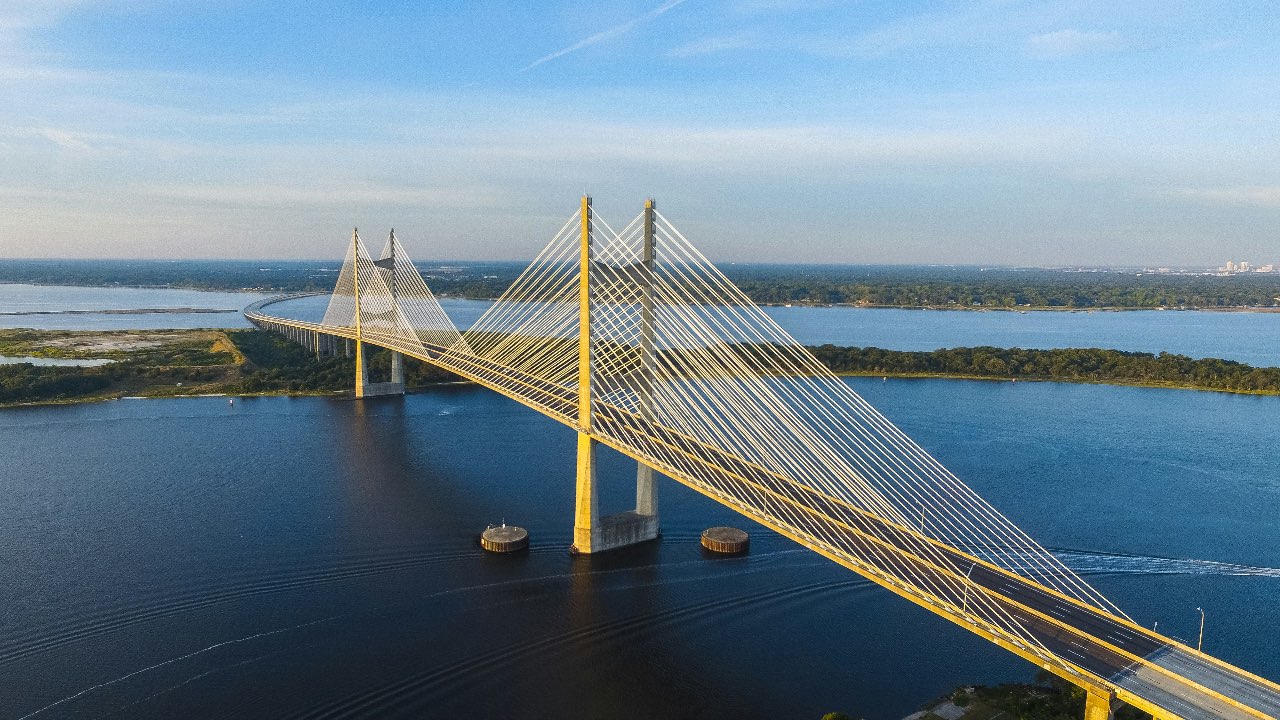
Ports, railways, roads, airports and bridges sustain civilian life and defence. Their value also depends on capacity, maintenance, alternative routes and network compatibility.
Information, space and finance
Data centres, networks, subsea cables, navigation and satellite services connect physical sectors. Their cross-border nature divides responsibility among governments and private operators.
Threats that combine
Recent conflicts display a mixture of physical damage, sabotage, interference, cyber incidents and supply-chain pressure. Describing those categories supports resilience planning; identifying specific vulnerabilities or attack procedures would add risk rather than educational value.
Resilience: withstand, continue and recover
- Redundancy and alternative routes that reduce single points of failure.
- Reserves, maintenance and pre-arranged repair capacity.
- Coordination among authorities, armed forces, companies and communities.
- Continuity exercises and plans revised after each crisis.
- Reliable public information to limit panic and disinformation.
Civil preparedness returns to the centre
NATO connects civil preparedness to Article 3 of the North Atlantic Treaty, under which allies maintain and develop individual and collective capacity. The European Union has strengthened its framework for critical entities. Neither promises invulnerability; both aim to sustain and restore essential functions.
Frequently asked questions
- Which sectors count as critical infrastructure?
- Lists vary, but commonly include energy, water, transport, health, communications, digital services, finance, government and certain space capabilities.
- Can every part of infrastructure be protected?
- Not completely. Resilience prioritises essential functions, redundancy, repair and continuity alongside physical and digital protection proportionate to risk.
Sources and references
- NATO, Resilience, Civil Preparedness and Article 3.
- European Commission and NATO, EU-NATO Task Force on the Resilience of Critical Infrastructure: Final Assessment Report, 2023.
- European Union, Directive (EU) 2022/2557 on the resilience of critical entities.
- U.S. Cybersecurity and Infrastructure Security Agency, Critical Infrastructure Sectors.
- International Committee of the Red Cross, Urban services during protracted armed conflict.