
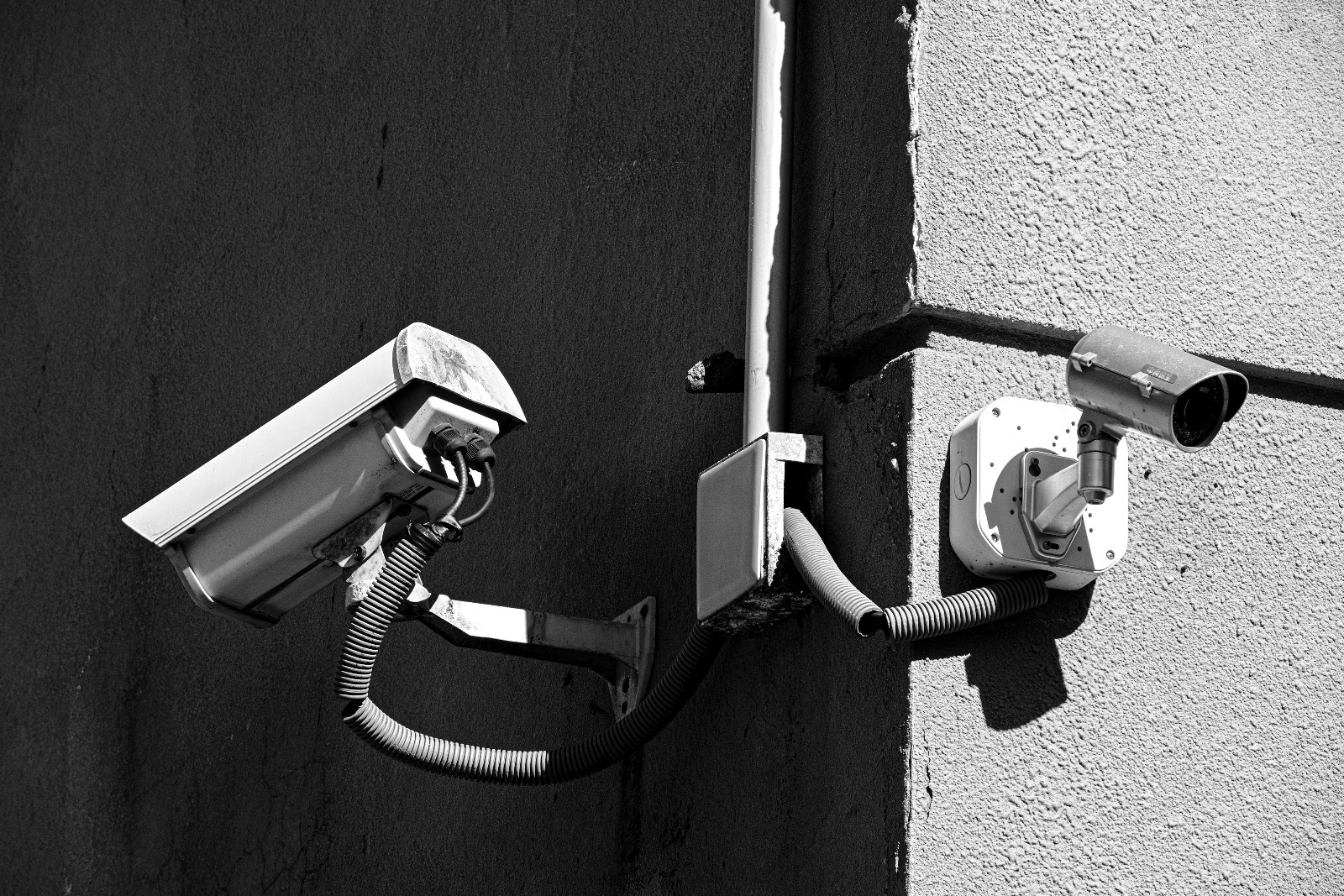
The Snowden Case and NSA Mass Surveillance
· By Archivo Bélico editorial team · Updated
The Snowden case and NSA mass surveillance, covering 2013 disclosures, PRISM, Section 215, his exile in Moscow and the legal consequences of the revelations.
More than a decade on, the Snowden case and NSA mass surveillance remain among the episodes that have most shaped contemporary debate over privacy, national security, and signals intelligence. In June 2013, former US National Security Agency (NSA) analyst Edward Snowden leaked thousands of classified documents to journalists Glenn Greenwald and Laura Poitras, published by The Guardian and The Washington Post, revealing surveillance programs of a scale unknown to the public until then.
The first revelations: PRISM and phone metadata
On 5 June 2013, The Guardian published a secret order from the Foreign Intelligence Surveillance Court (FISA Court) compelling Verizon to hand over its customers' call metadata to the NSA on an ongoing basis, under Section 215 of the Patriot Act. The next day, The Washington Post and The Guardian revealed PRISM, a program through which the NSA obtained data from major tech companies — including Microsoft, Google, Yahoo, Facebook, and Apple, according to the documents — to monitor foreign targets' communications. The documents, drawn from an internal NSA presentation and secret court orders, revealed a data-collection ecosystem far larger than what had been officially acknowledged up to that point.
Who was Edward Snowden
Snowden, a contractor for Booz Allen Hamilton posted at NSA facilities in Hawaii, had previously worked for the CIA. After copying the documents, he traveled to Hong Kong, where he met with the journalists before the first stories were published. The United States revoked his passport while he was trying to travel to Latin America, leaving him stranded at Moscow's airport, where he was eventually granted temporary asylum and, over time, permanent residency in Russia.
Legal and political consequences
The impact of the leaks was immediate on both the judicial and legislative fronts. The US Department of Justice charged Snowden in 2013 with espionage and theft of government property, charges that remain in effect and prevent him from returning to the country without facing prosecution. On the judicial side, several courts reviewed the legality of the metadata program: in 2015, the Second Circuit Court of Appeals ruled that the mass Section 215 program was not authorized by the law as it had been interpreted. Later, in September 2020, the Ninth Circuit Court of Appeals, in United States v. Moalin, concluded that the mass telephone surveillance program revealed by Snowden was illegal and likely unconstitutional.
The legislative reform: the USA Freedom Act
Congress responded to public and judicial pressure by passing the USA Freedom Act in June 2015, ending the NSA's mass, centralized collection of phone metadata and requiring that carriers themselves retain the data, which the agency could only access through specific requests approved by the FISA Court. The law was presented as a middle ground between the demands of civil liberties groups and the national security arguments of intelligence agencies.
- May-June 2013: Snowden copies classified documents and travels to Hong Kong.
- 5-6 June 2013: The Guardian and The Washington Post publish the first revelations about phone metadata and PRISM.
- 23 June 2013: Snowden arrives in Moscow and is stranded after his passport is revoked.
- August 2013: Russia grants him temporary asylum.
- 2015: the Second Circuit Court of Appeals questions the legality of the metadata program.
- June 2015: the USA Freedom Act is passed.
- September 2020: the Ninth Circuit Court of Appeals rules the mass phone surveillance program illegal.
- 2022: Russia grants Snowden citizenship.
The privacy-versus-security debate
Beyond the legal technicalities, the Snowden case reopened a deeper debate: to what extent can states justify mass surveillance programs in the name of national security without violating fundamental privacy rights. Defenders of the intelligence agencies argued that such programs were necessary to prevent terrorism after the September 11, 2001 attacks, while organizations such as the Electronic Frontier Foundation and the ACLU argued that indiscriminate collection of data on citizens with no connection to specific investigations exceeded any reasonable proportionality. The Privacy and Civil Liberties Oversight Board (PCLOB), an independent US body, itself concluded in 2014 that the phone metadata program had had limited value in preventing attacks relative to its scope.
| Year | Event |
|---|---|
| 2013 | Leak of documents and disclosure of PRISM and the metadata program |
| 2014 | Critical PCLOB report on the value of the metadata program |
| 2015 | Passage of the USA Freedom Act |
| 2020 | The Ninth Circuit rules the phone surveillance program illegal |
| 2022 | Snowden receives Russian citizenship |
A legacy still under debate
Ten years on, the Snowden case remains a required reference in any debate over digital surveillance, cooperation between states and big tech, and the legal limits of signals intelligence (SIGINT). For some historians and legal scholars, it amounted to the greatest forced accountability exercise over an intelligence program in recent US history; for the agencies affected, it was one of the most damaging leaks to their operational capabilities. Both readings coexist in the specialized literature, and Snowden himself remains a deeply polarizing figure, seen by some as a whistleblower and by others as a fugitive who compromised state secrets.
Frequently asked questions
- What is PRISM?
- It is an NSA program revealed in 2013 through which the agency obtained, with judicial authorization under FISA law, communications data from certain US tech companies related to foreign intelligence targets.
- Where does Edward Snowden currently live?
- He has lived in Russia since 2013, where he was first granted temporary asylum, then permanent residency, and in 2022 Russian citizenship, while still facing pending espionage charges in the United States.
- What changed legally after the leaks?
- Congress passed the USA Freedom Act in 2015, ending the NSA's mass, centralized collection of phone metadata, and several courts, including the Ninth Circuit in 2020, ruled the program illegal as it had been applied.
- Was Snowden pardoned by the United States?
- No. Snowden has not been pardoned by the United States and the espionage charges remain in effect; in 2022 it was Russia that granted him citizenship, not a US pardon.
Sources and references
- The Guardian - 'NSA collecting phone records of millions of Verizon customers daily', June 2013
- The Washington Post - 'NSA slides explain the PRISM data-collection program'
- Privacy and Civil Liberties Oversight Board, Report on the Telephone Records Program, 2014
- US Court of Appeals for the Ninth Circuit, United States v. Moalin, 2020
- Congress.gov - USA FREEDOM Act of 2015
- Reuters - 'Russia grants citizenship to NSA whistleblower Snowden', 2022